
Sculpting interiors through the art of plaster
Garabos

From traditional craftsmanship to advanced techniques, Garabos delivers bespoke plaster solutions across staff, dry, and acoustic applications.
Garabos offers a bespoke approach to plasterwork, guiding each project from concept through to execution for architects and designers. From ornamental staff to large-scale architectural elements, their work reflects a balance of tradition, precision, and savoir-faire, resulting in interiors of character and permanence.
From concept & study, through to application & delivery
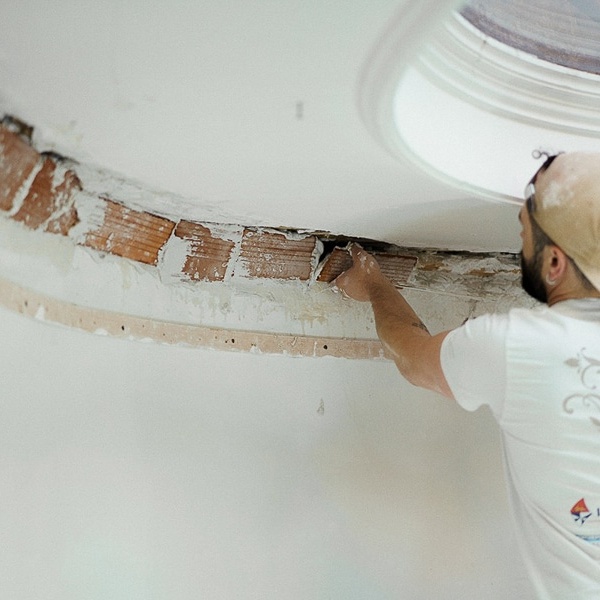
Working closely with architects and interior designers, Garabos transforms ideas into bespoke plasterwork that responds to the identity of each space. Each project begins with a dialogue, where creative intent, technical expertise, and material understanding shape refined architectural outcomes.
From concept through to execution, the atelier guides every stage with precision and care, ensuring each element is thoughtfully developed and realised by hand.
Defined by a deep-rooted savoir-faire, their work spans intricate staff ornamentation to contemporary plaster surfaces and complex architectural forms, balancing heritage craftsmanship with modern expression.
The result is a tailored response where plaster defines spaces with clarity, character, and lasting presence.
Expertise & execution
Garabos’ expertise is rooted in a deep understanding of plaster as both a traditional craft and a contemporary architectural medium. Combining heritage techniques with ongoing innovation, the atelier approaches each project with precision, sensitivity, and a commitment to excellence.
Understanding & shaping space
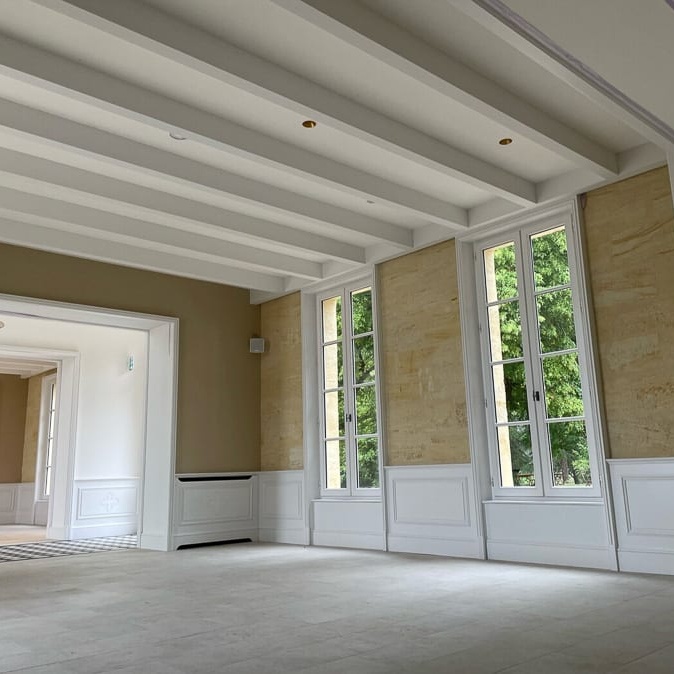
Garabos approaches each project with a deep sensitivity to context, proportion, and identity, shaping plaster into architectural features that bring depth, rhythm, and coherence to interior environments.
Craft & preservation
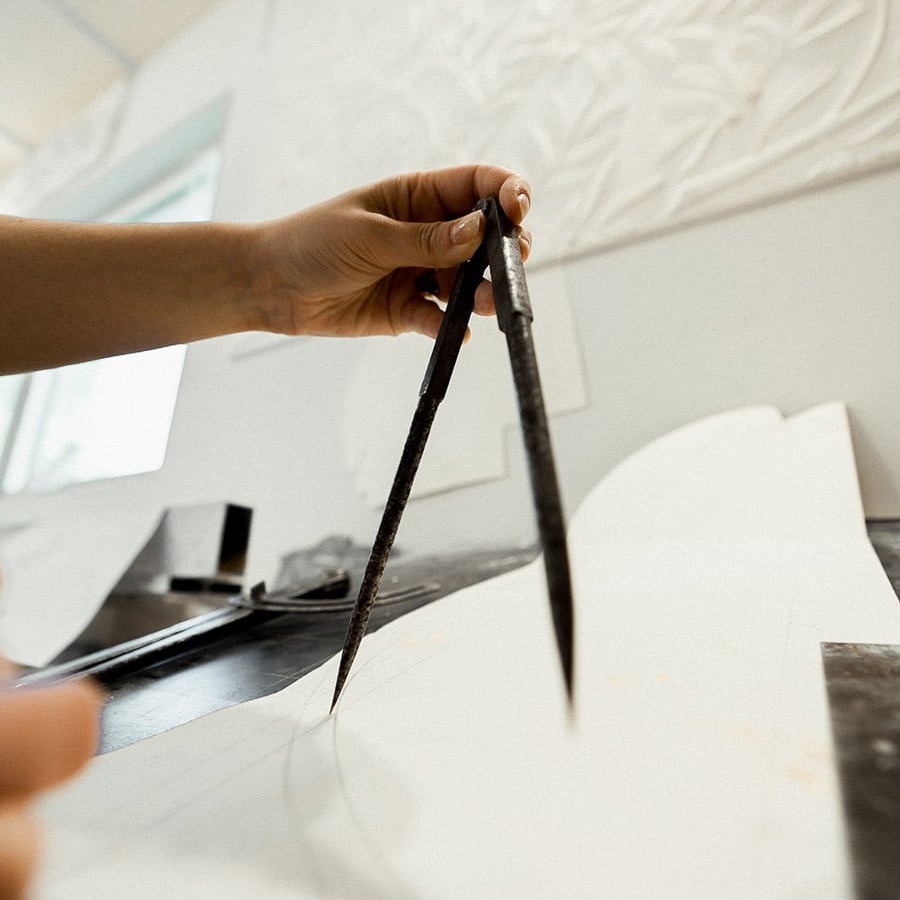
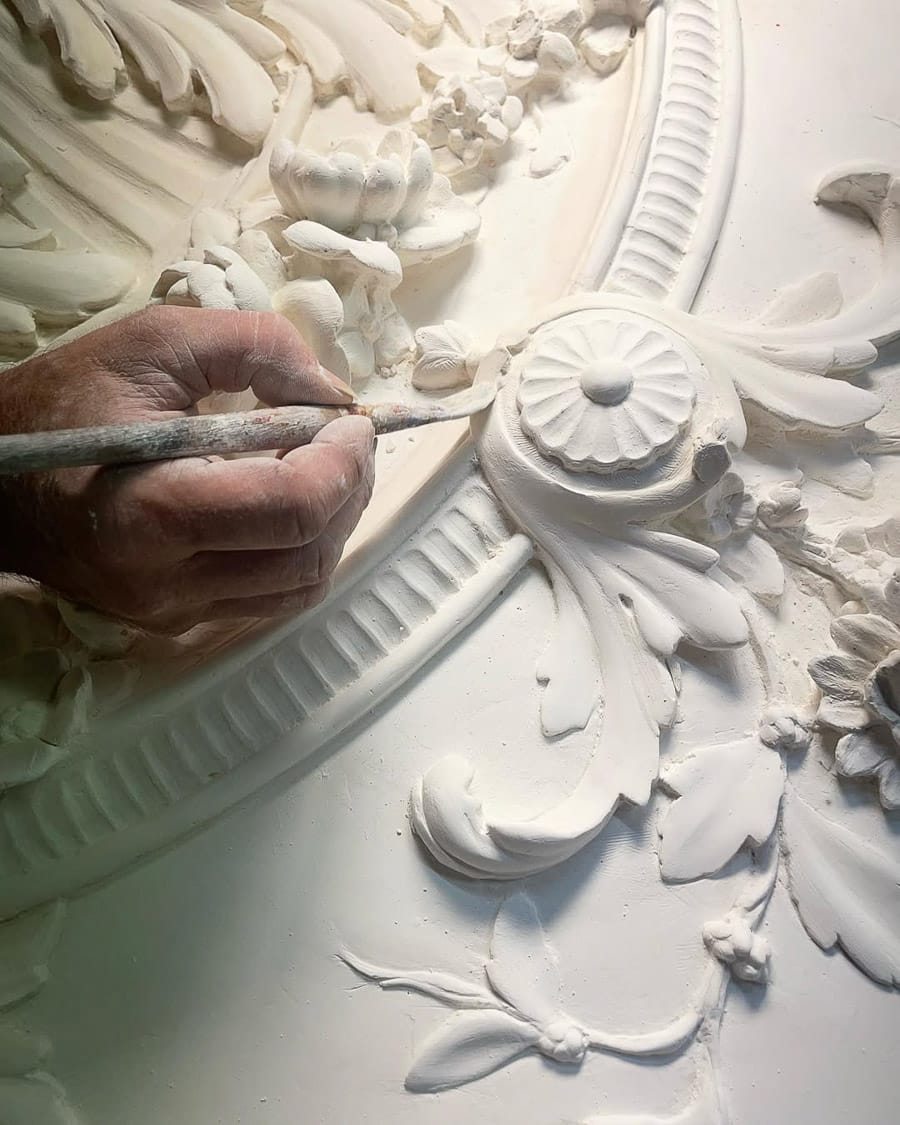
Combining sculptural expertise with precision moulding and reproduction, Garabos creates bespoke elements while preserving and reinterpreting historical details with accuracy and care.
Material expression
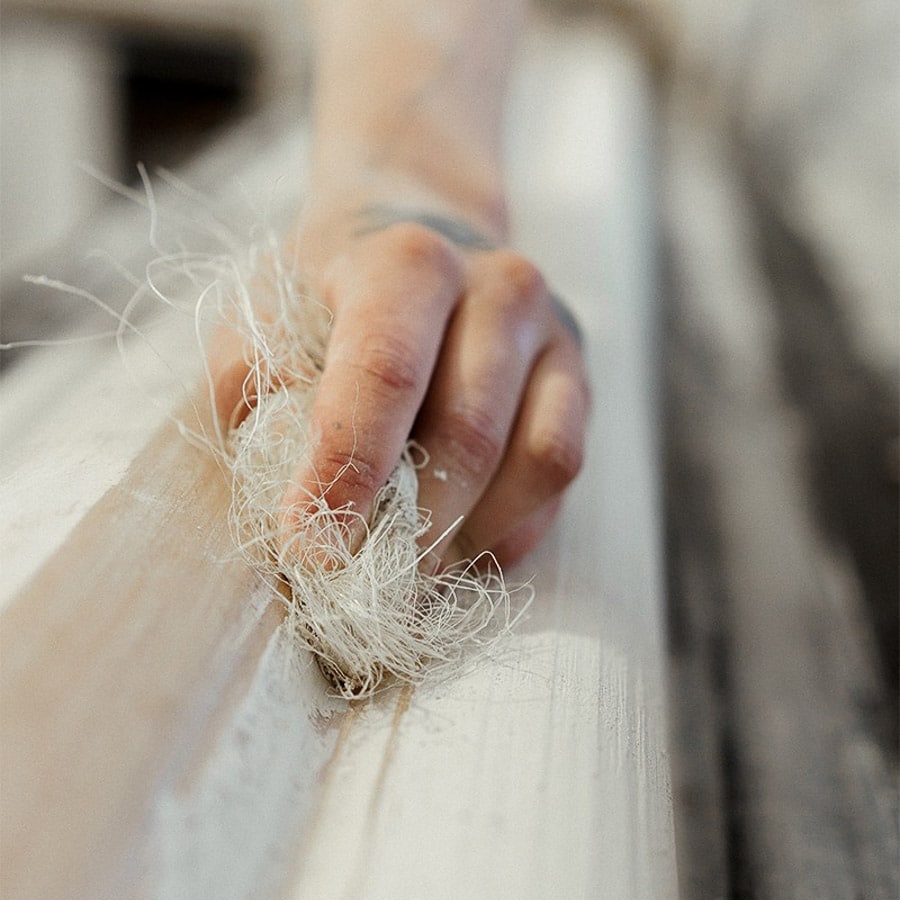
From raw, natural finishes to refined decorative treatments, plaster is explored for its full aesthetic potential, adapting seamlessly to both contemporary and classical interiors.
Technical expertise & innovation
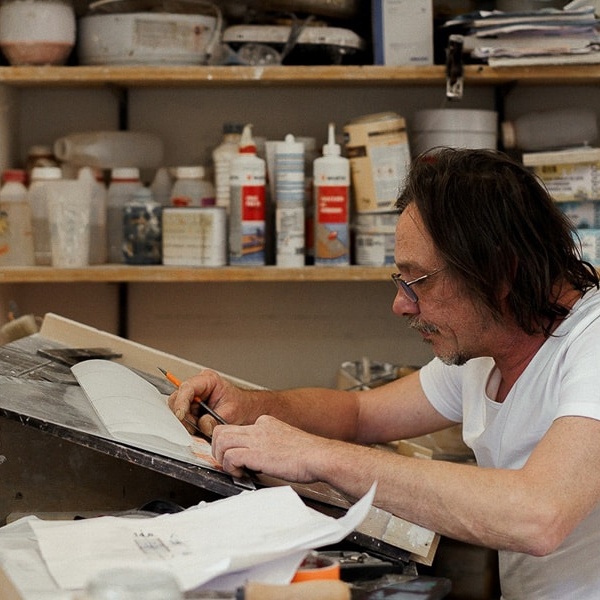
Through advanced methods and continuous research, Garabos delivers complex, high-performance plaster solutions, evolving traditional craftsmanship to meet modern architectural demands.
Staff plaster
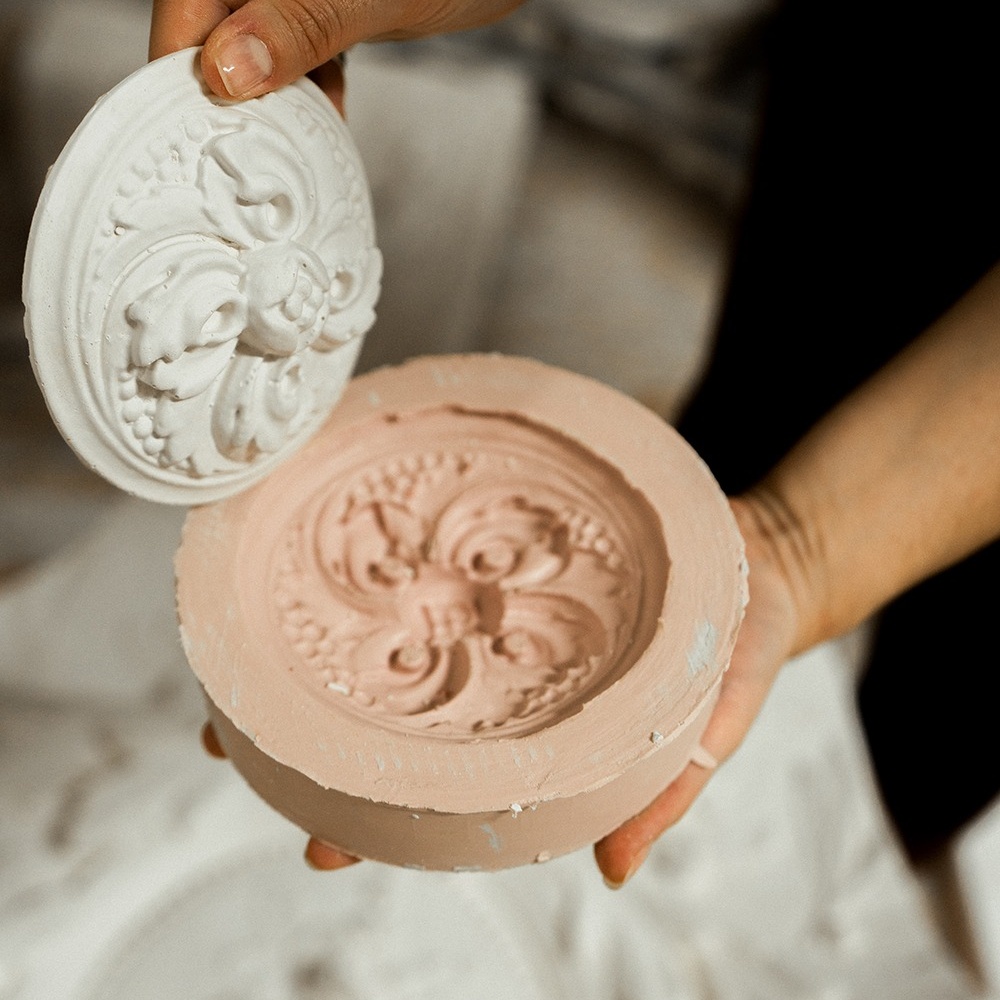
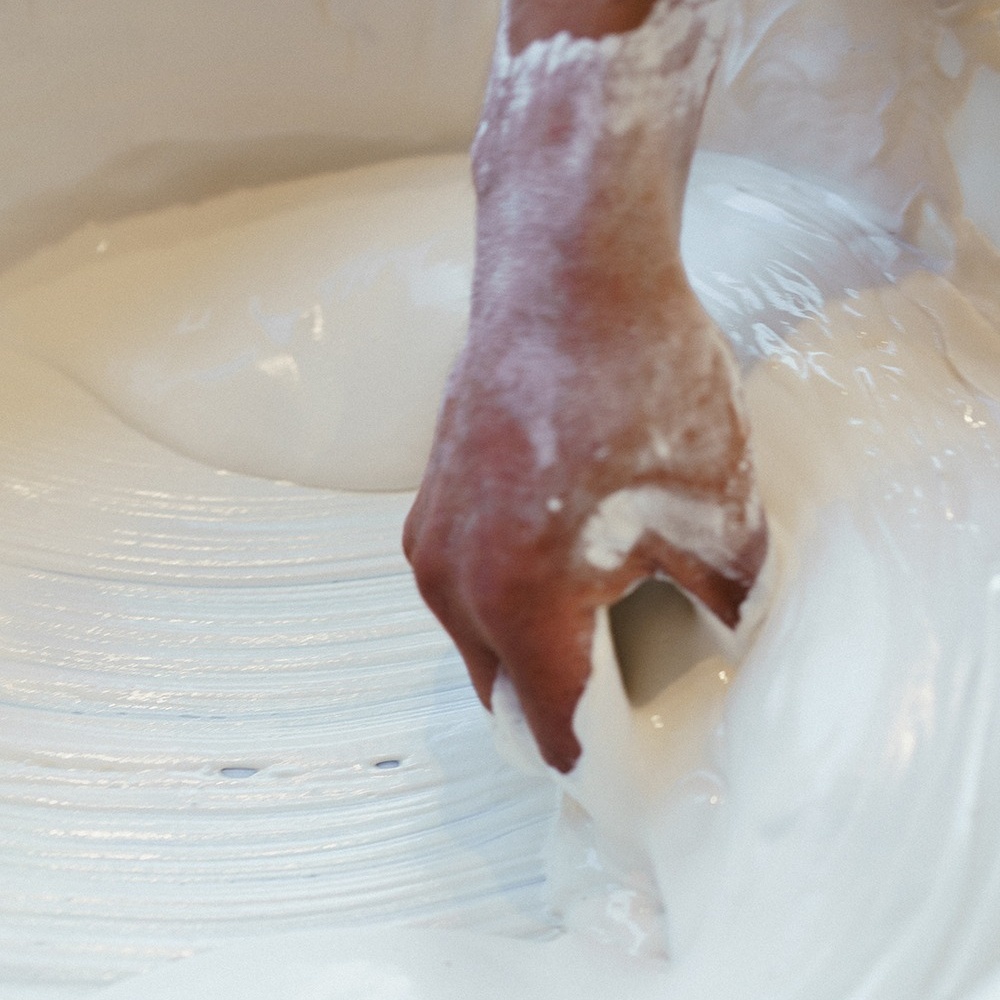
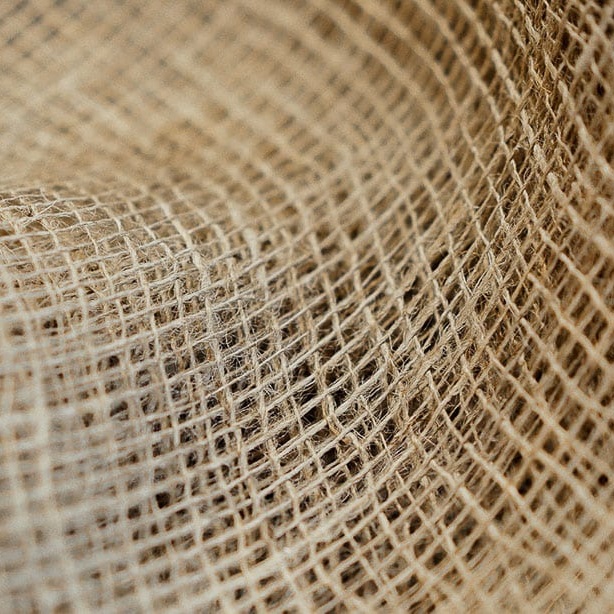
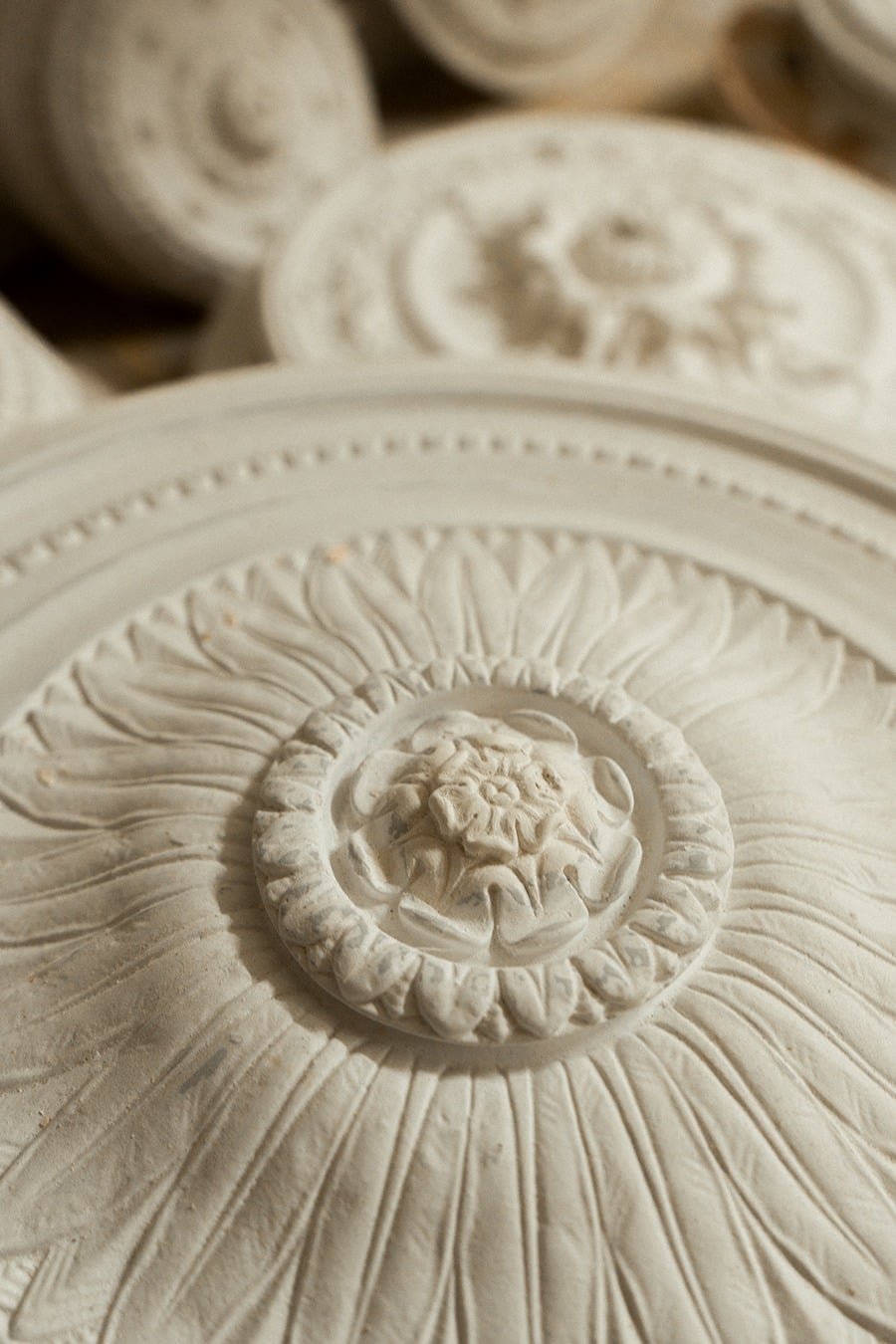
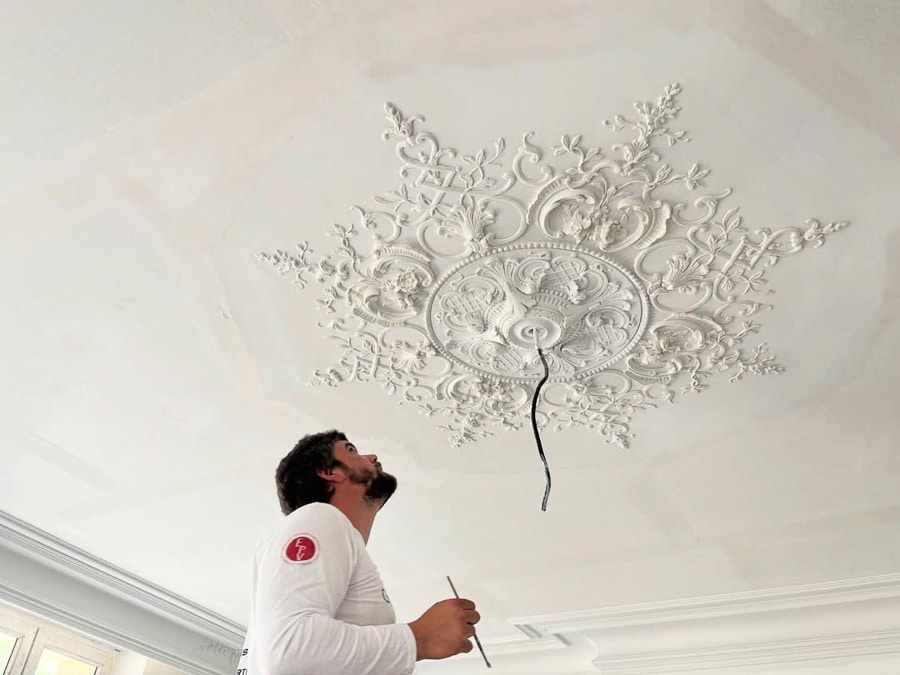
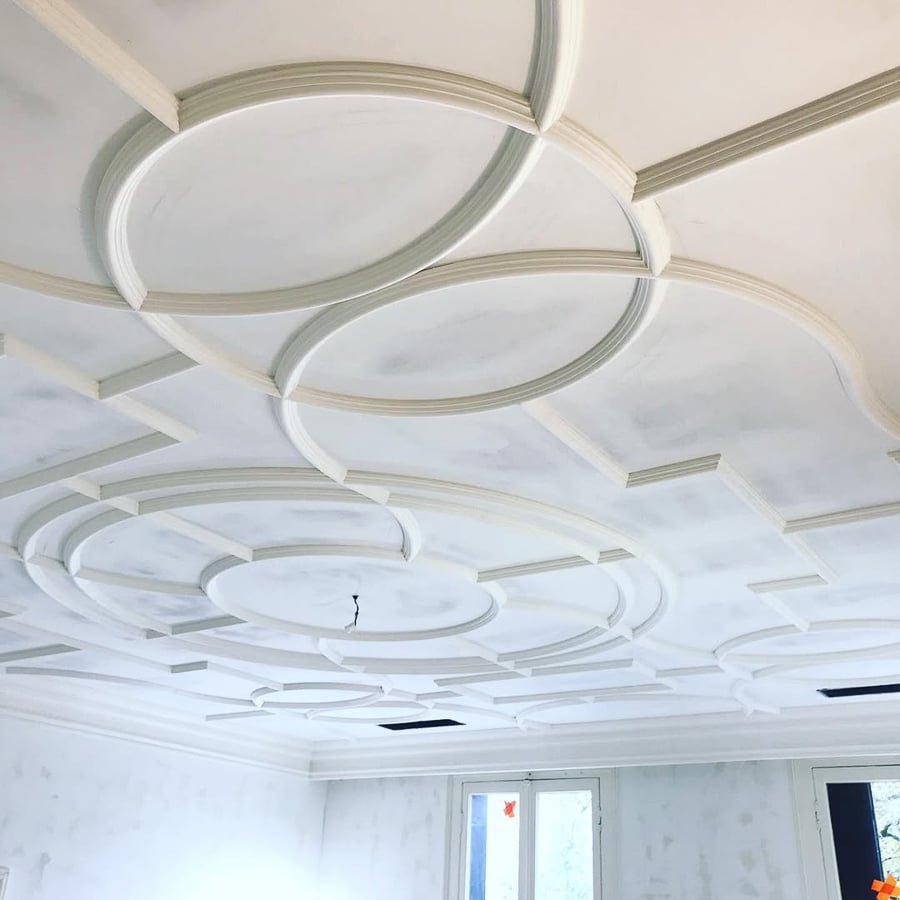
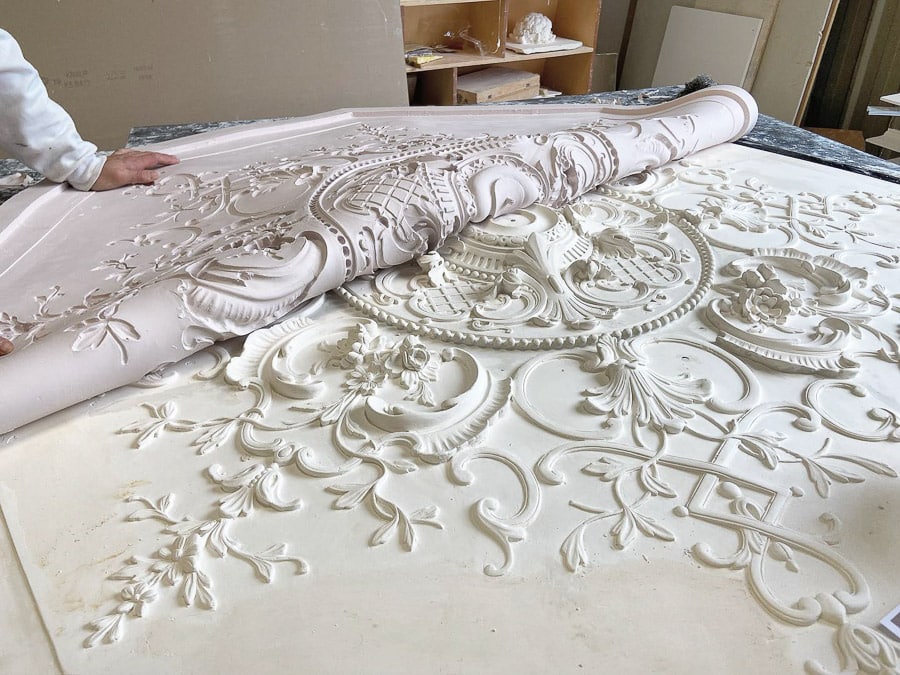
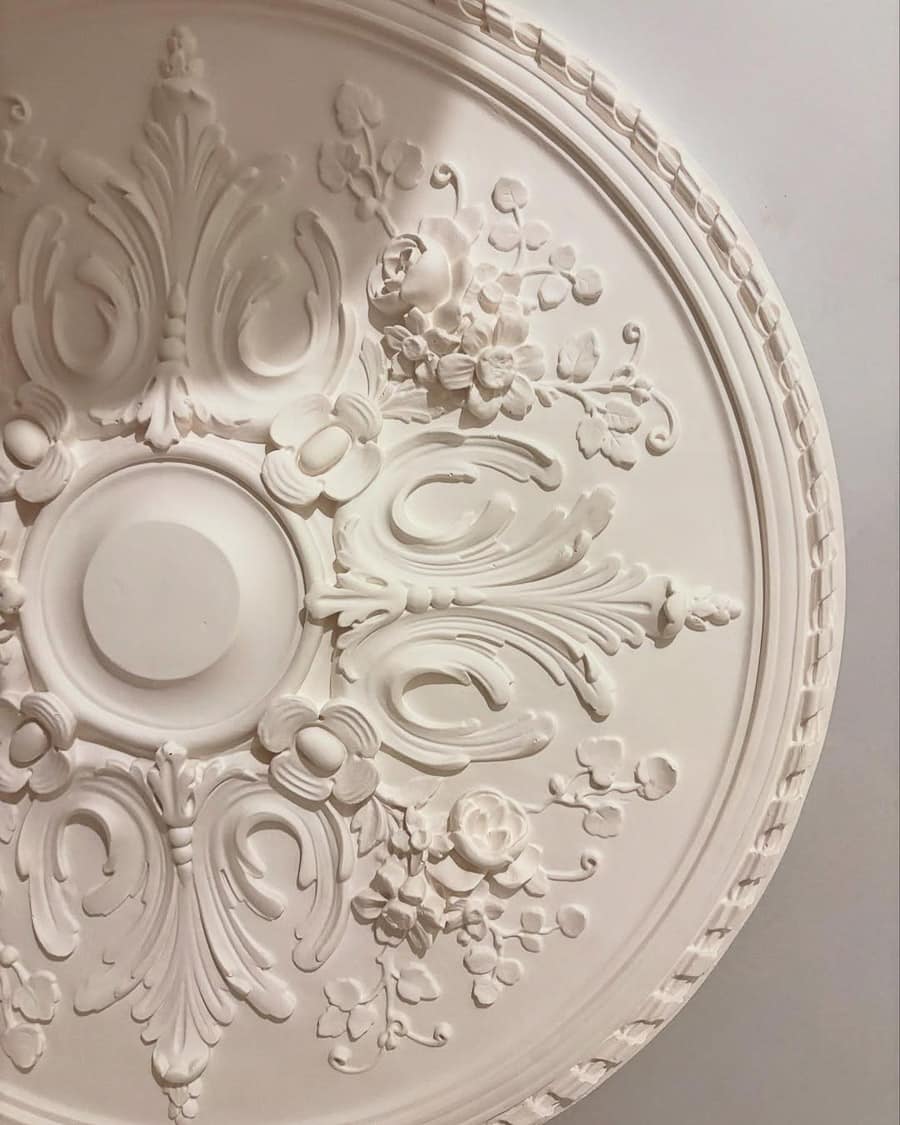
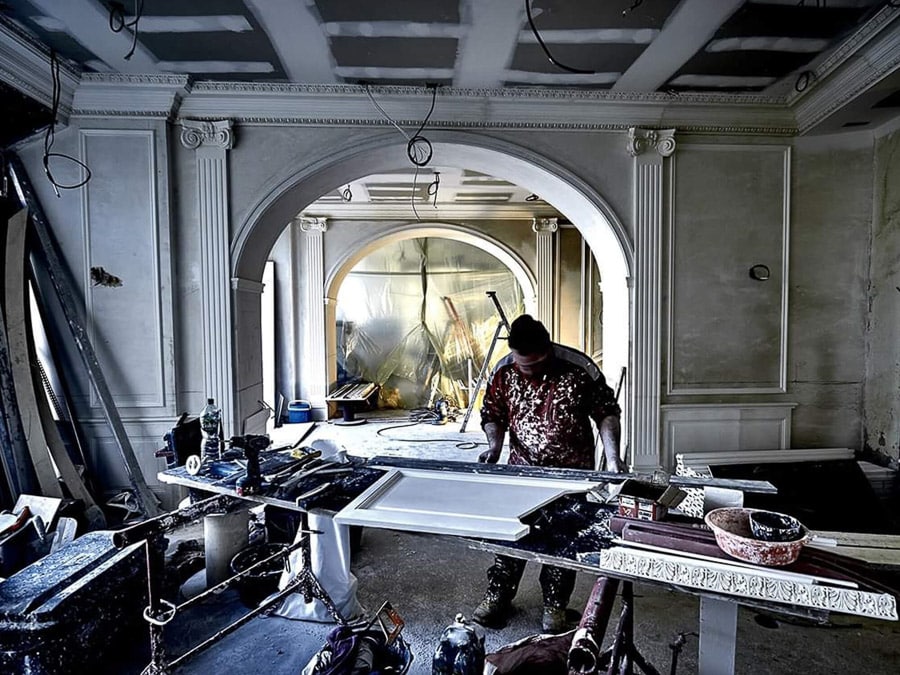
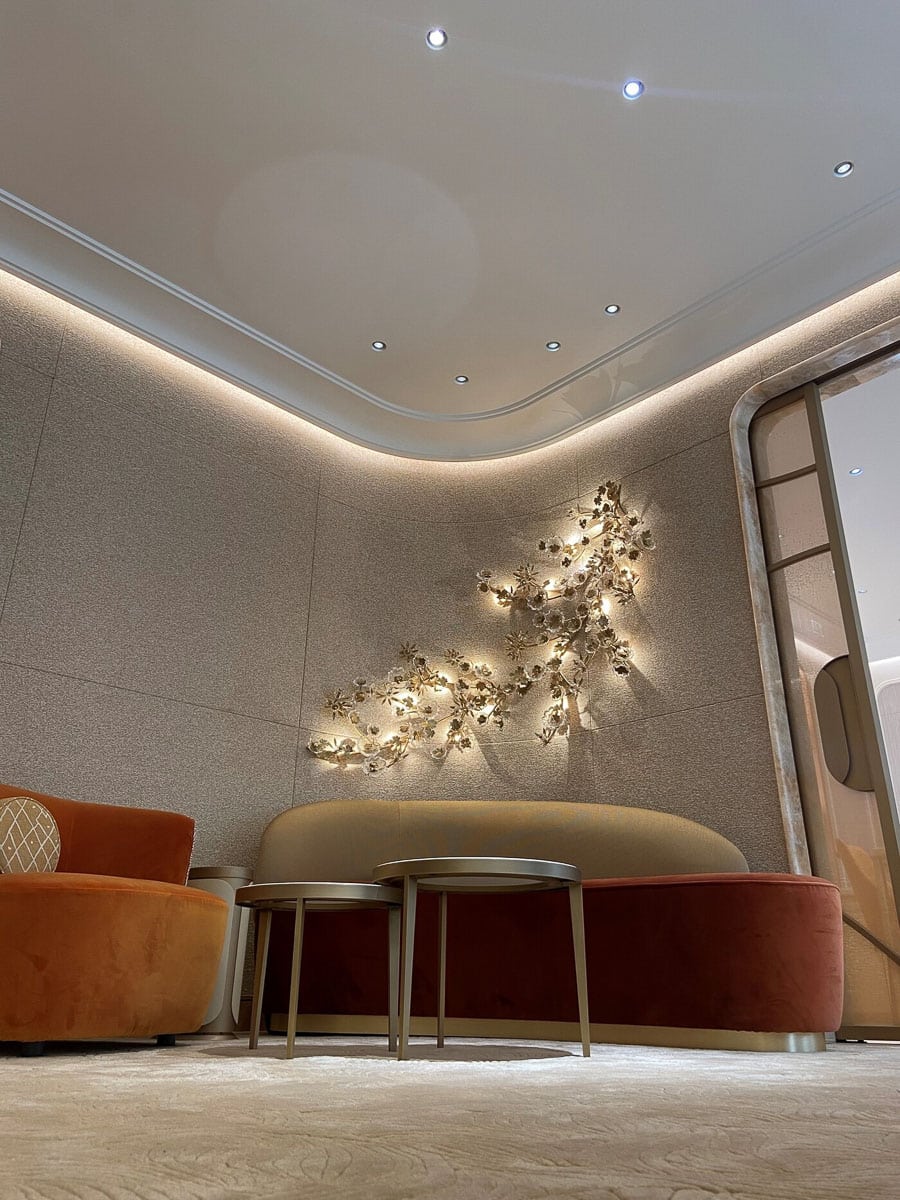
Staff plaster is a traditional composite material made from fine plaster reinforced with natural fibres, offering a unique combination of strength, lightness, and precision. Historically used in decorative architecture, it remains one of the most versatile materials for creating detailed and bespoke interior features. This technique enables the realisation of intricate mouldings, cornices, ceiling elements, and sculptural forms with exceptional accuracy.
Equally suited to heritage restoration and contemporary design, staff plaster can replicate historic details or be shaped into clean, modern compositions. It offers flexibility in finish, from crisp and refined surfaces to more expressive, decorative treatments, making it a highly adaptable solution for both classical and contemporary interiors.
- Cornices in all styles
- Rosettes
- Mouldings
- Wall panelling
- Custom & bespoke decorative elements
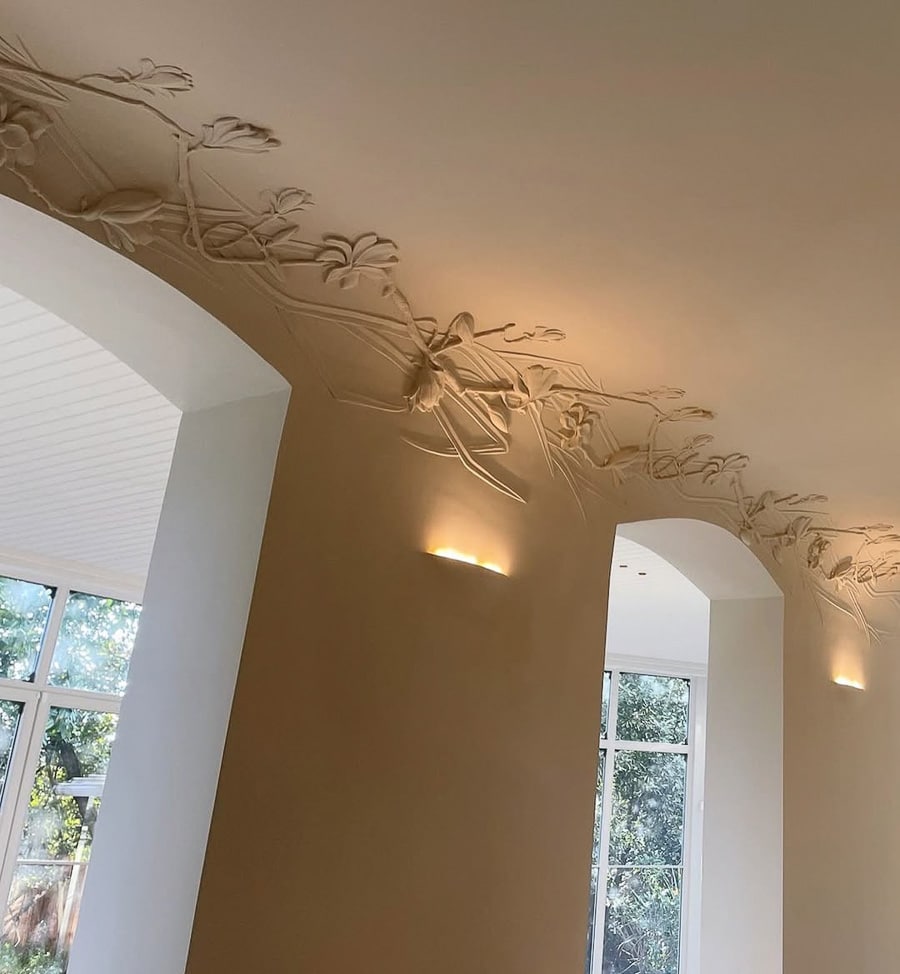
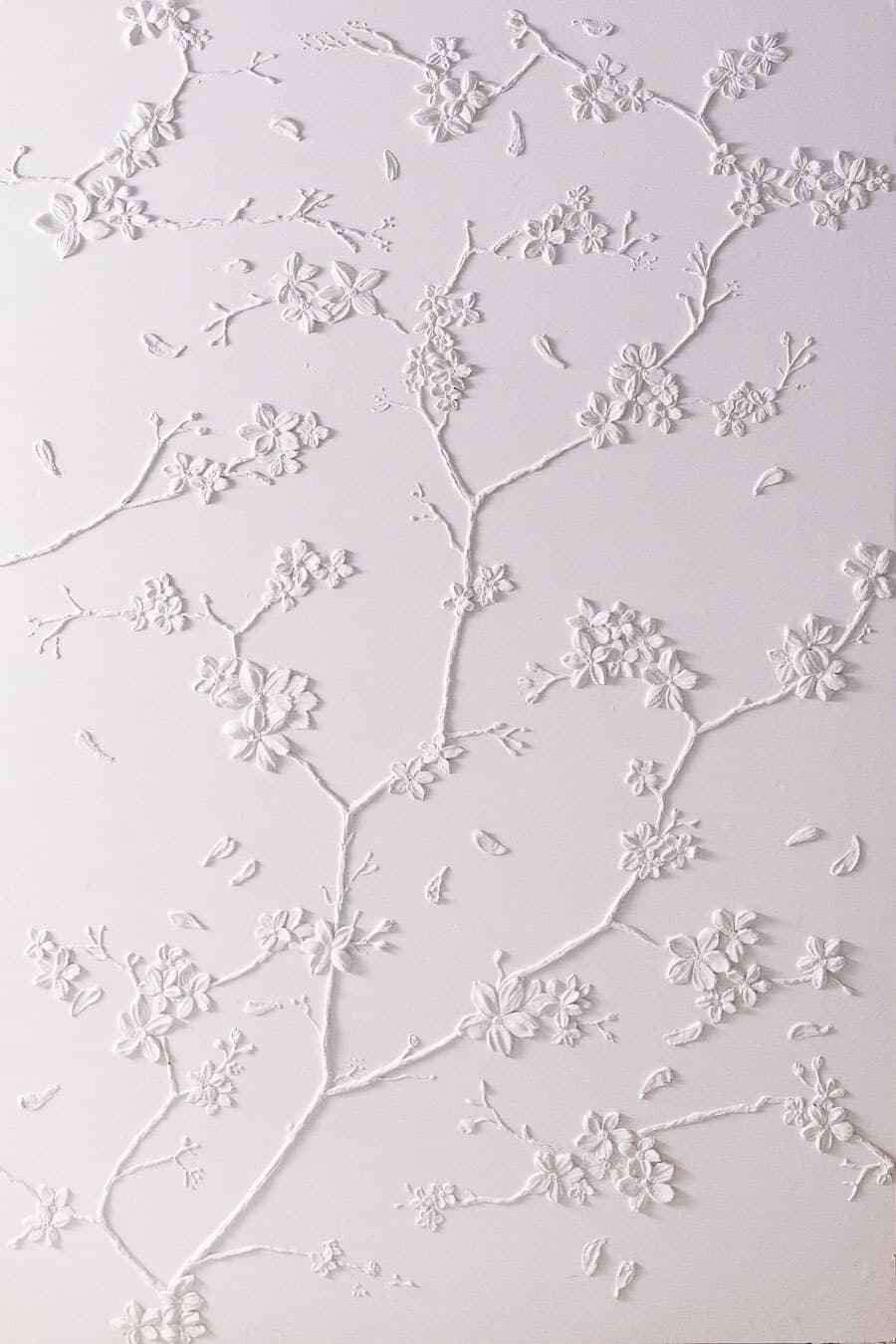
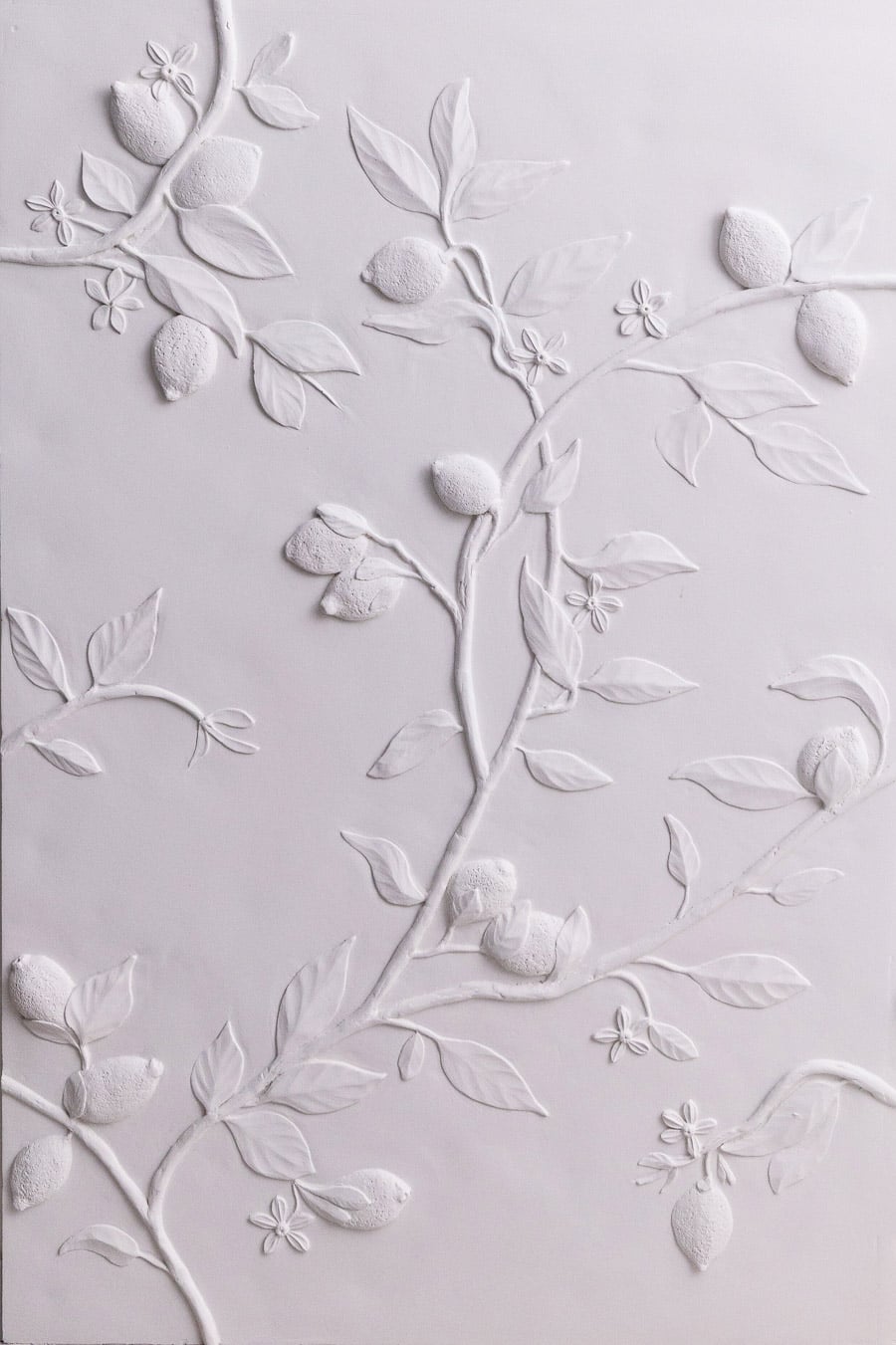
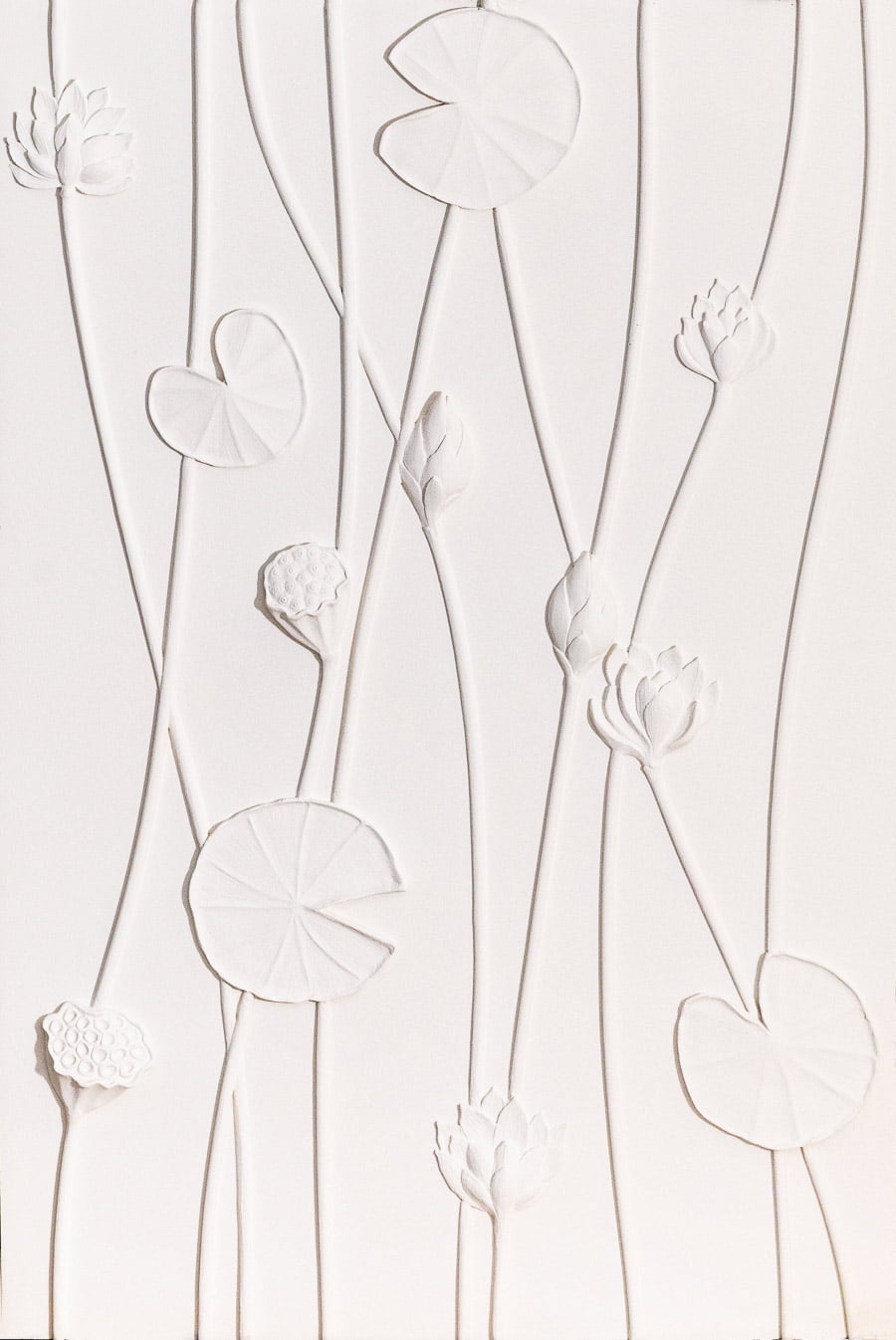
Bas Relief
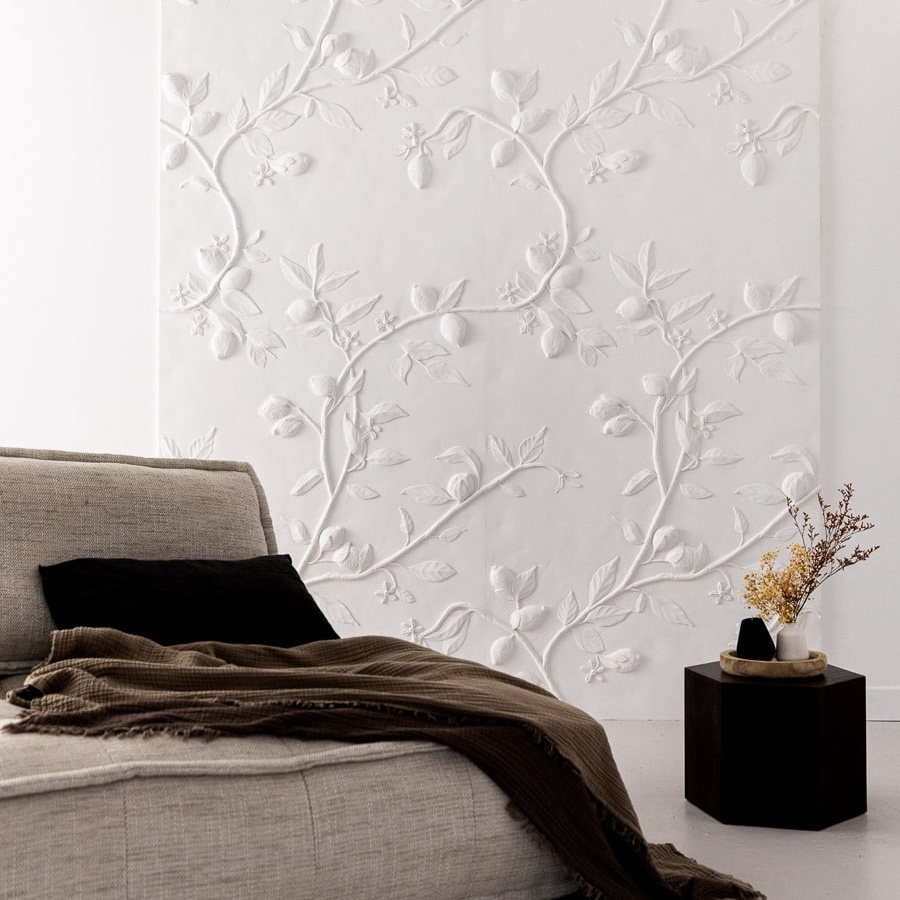
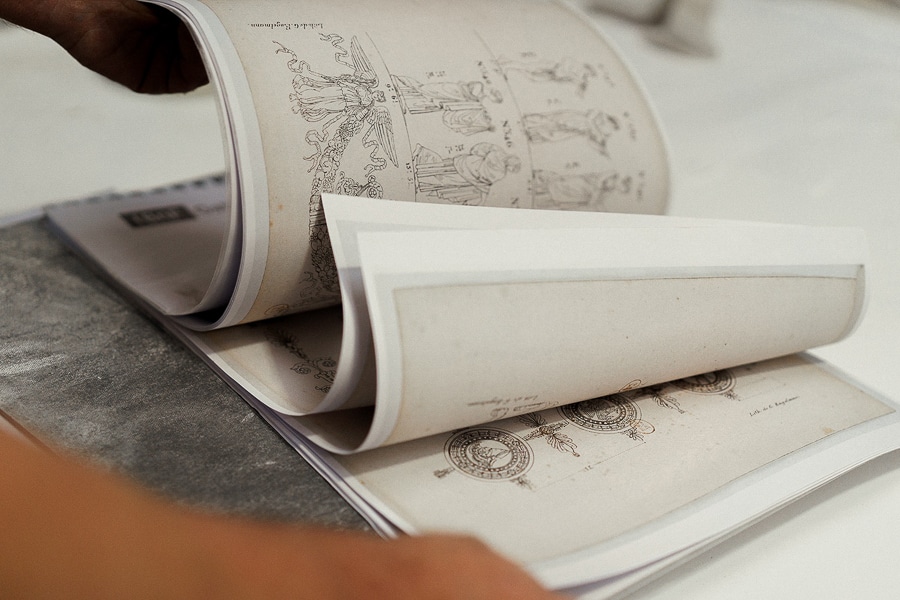
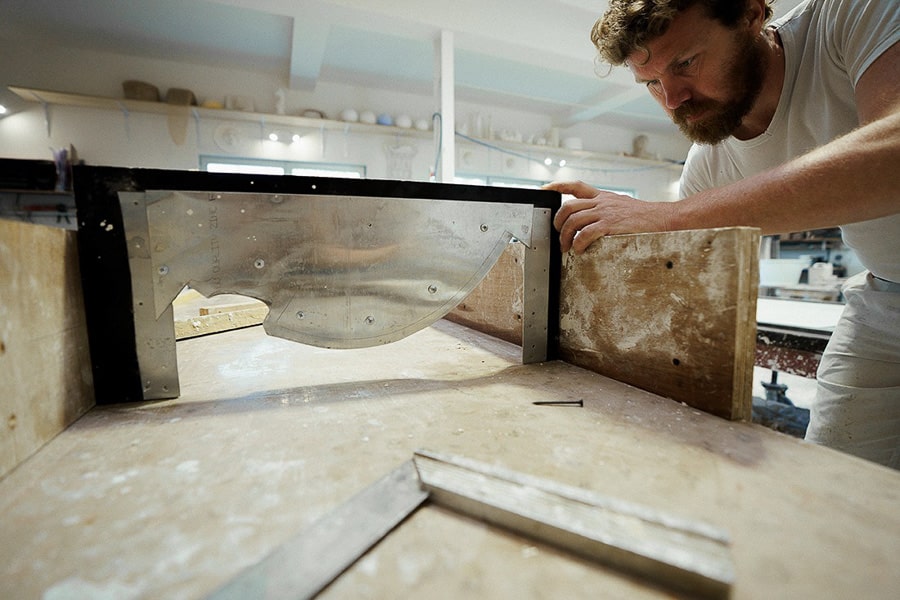
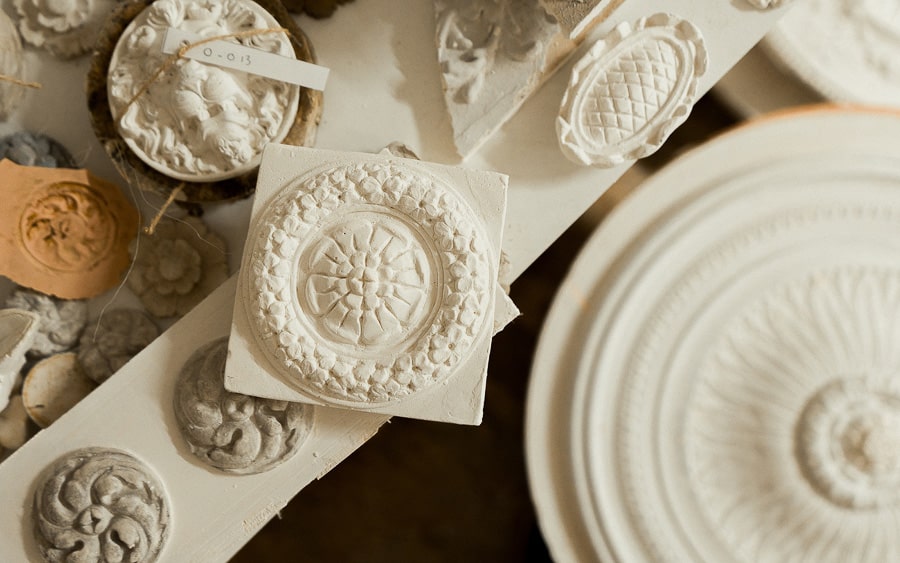
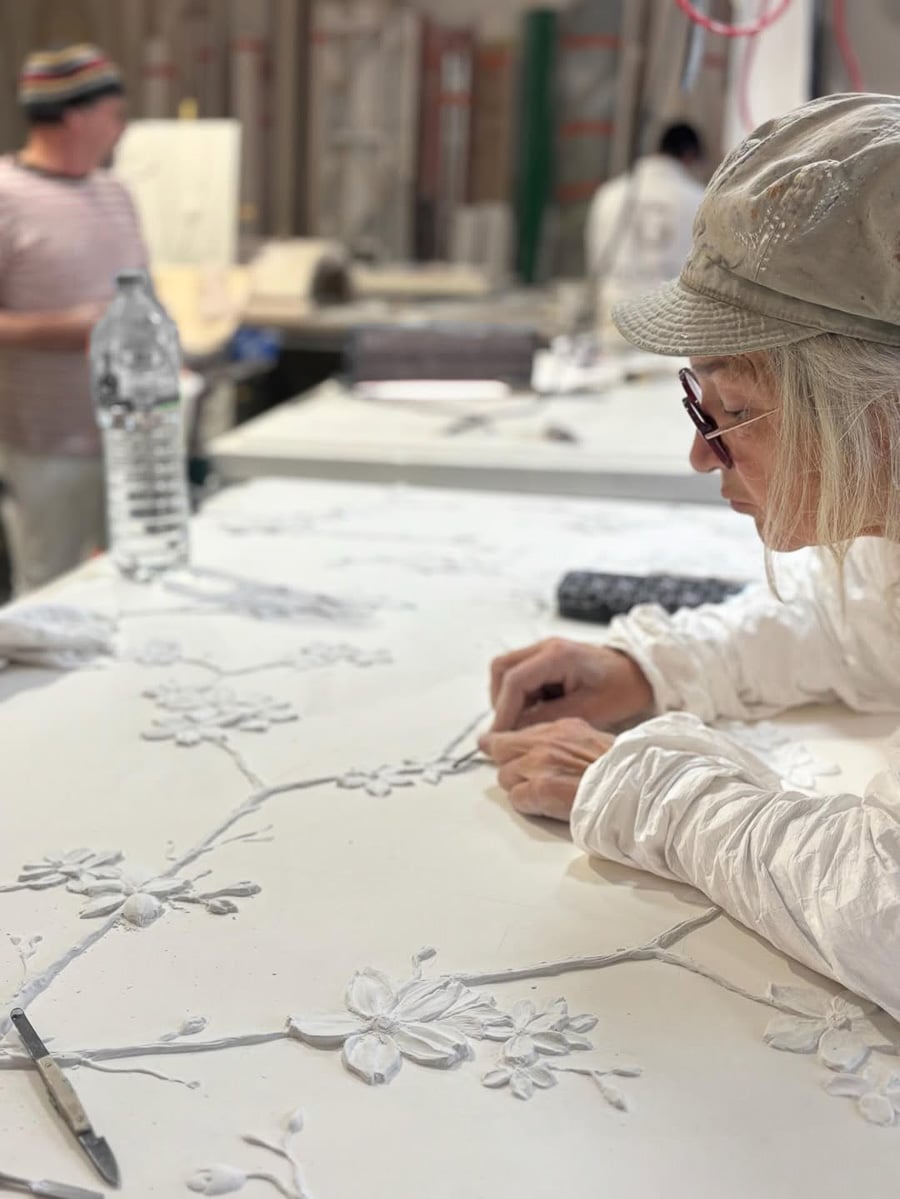
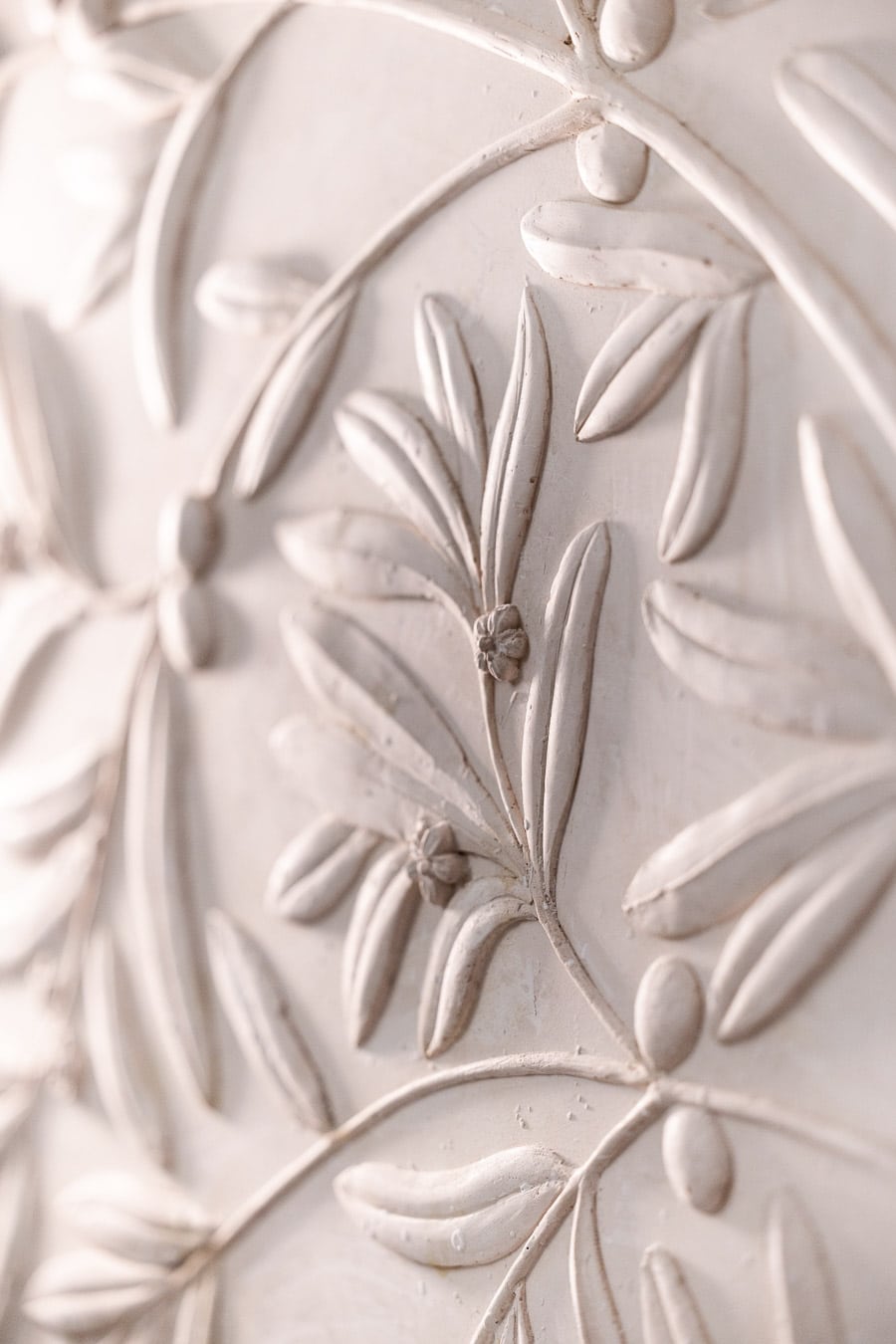
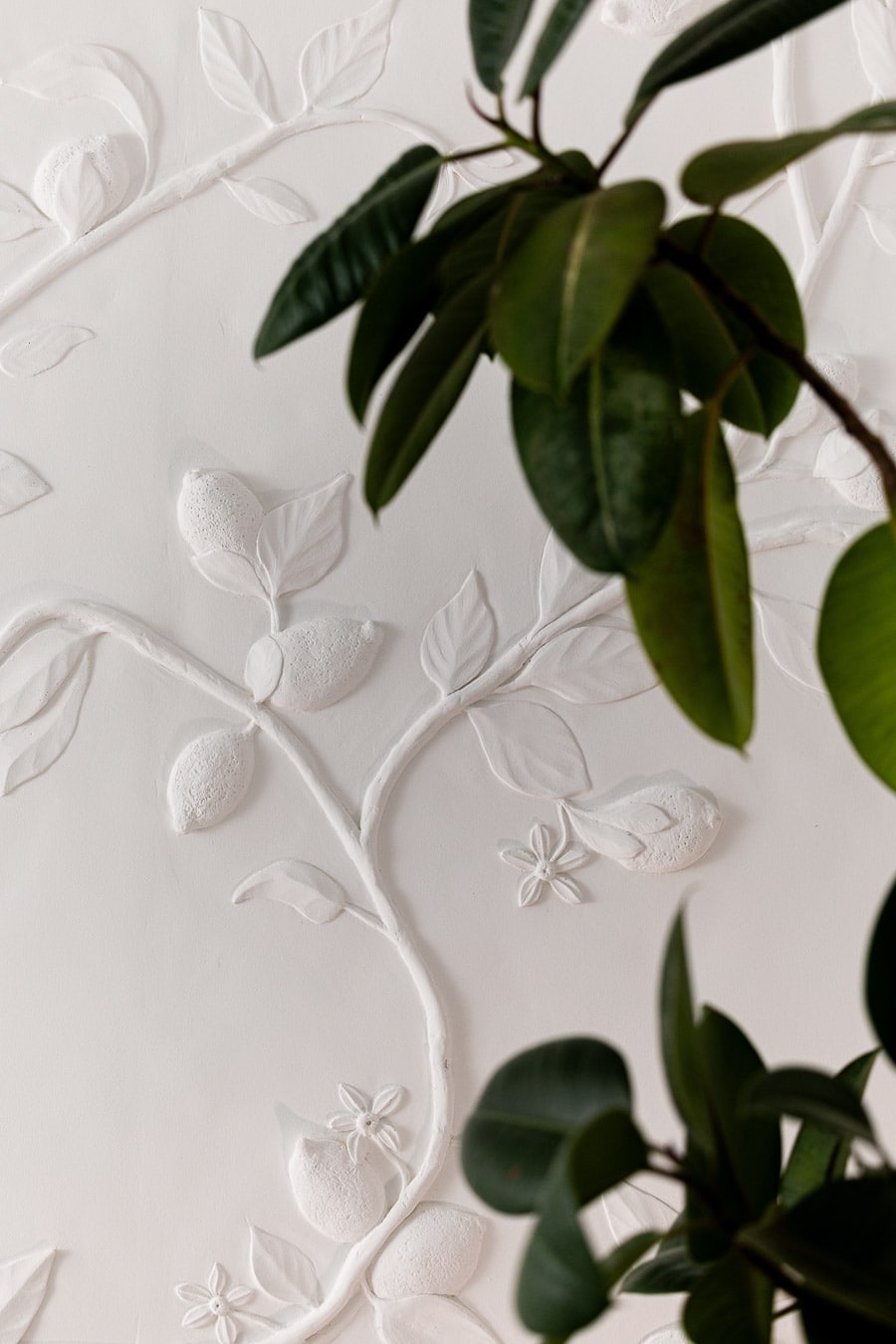
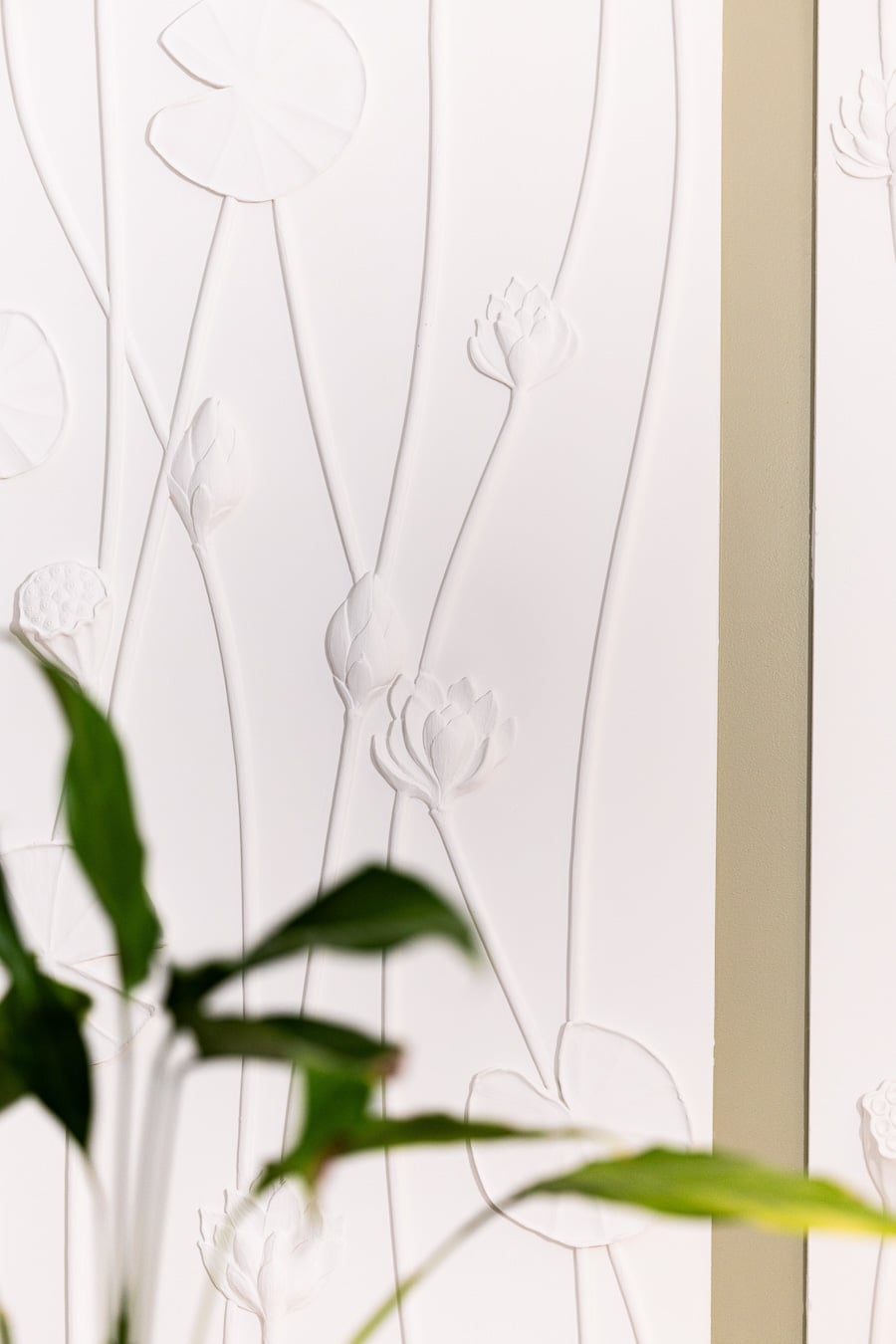
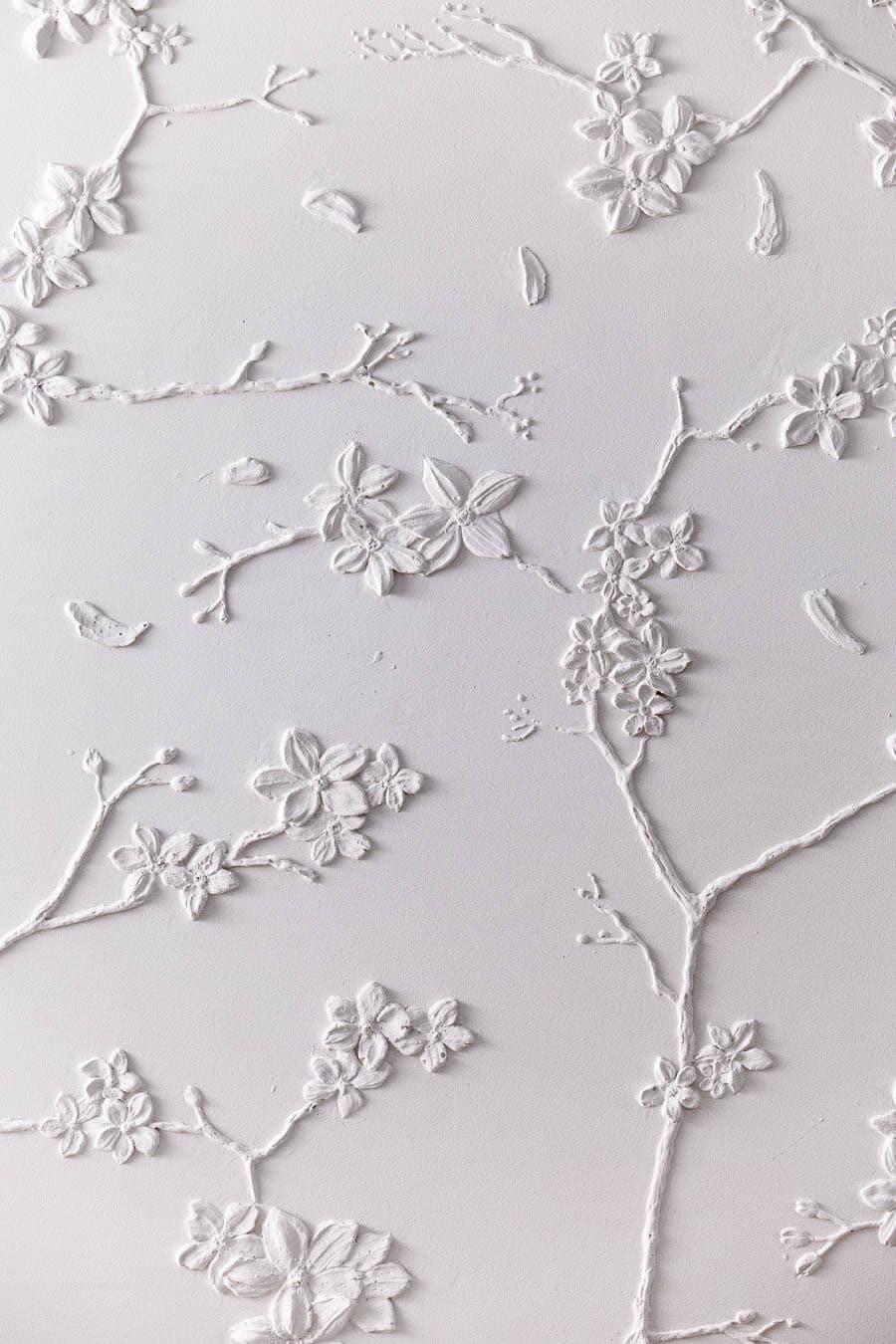
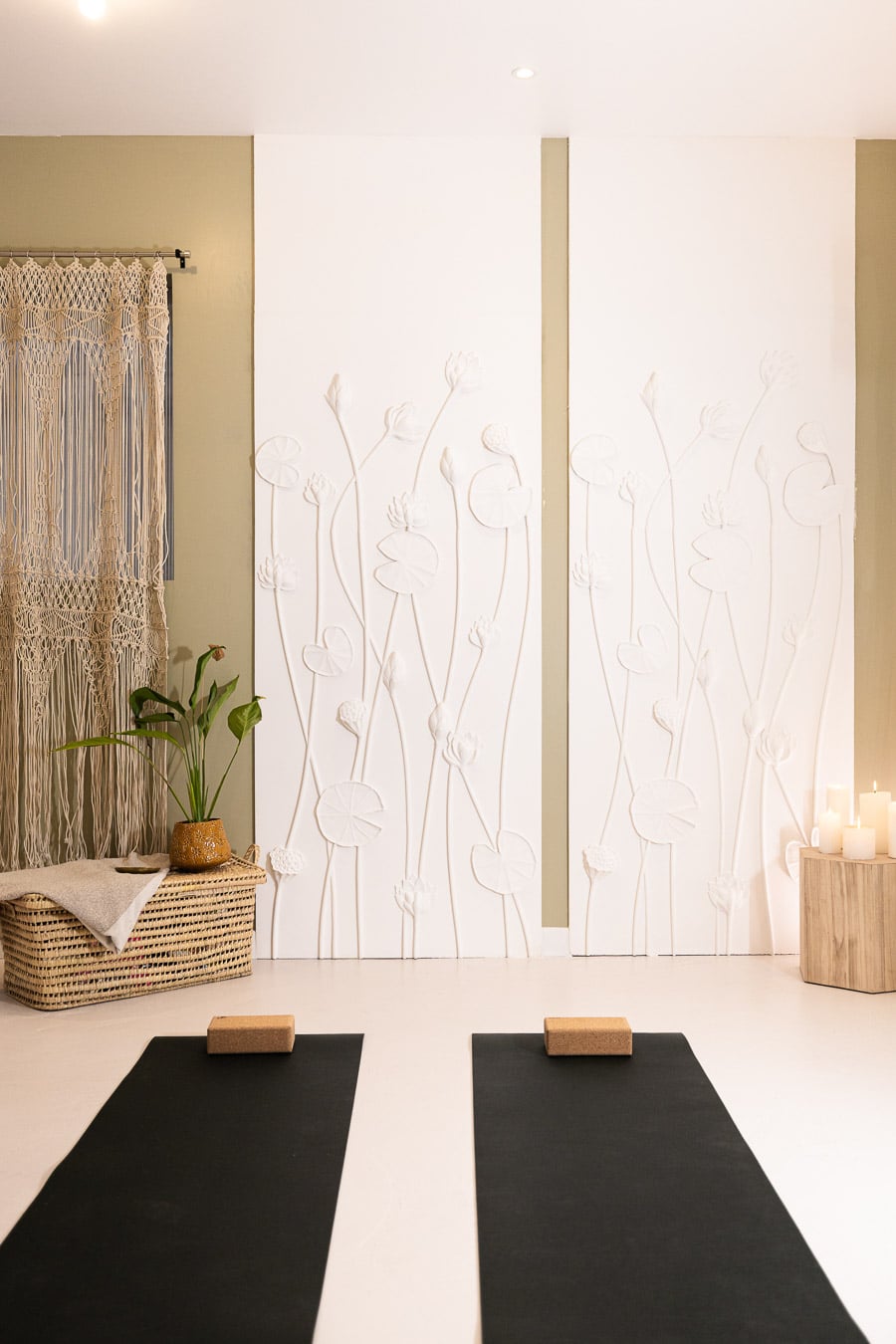
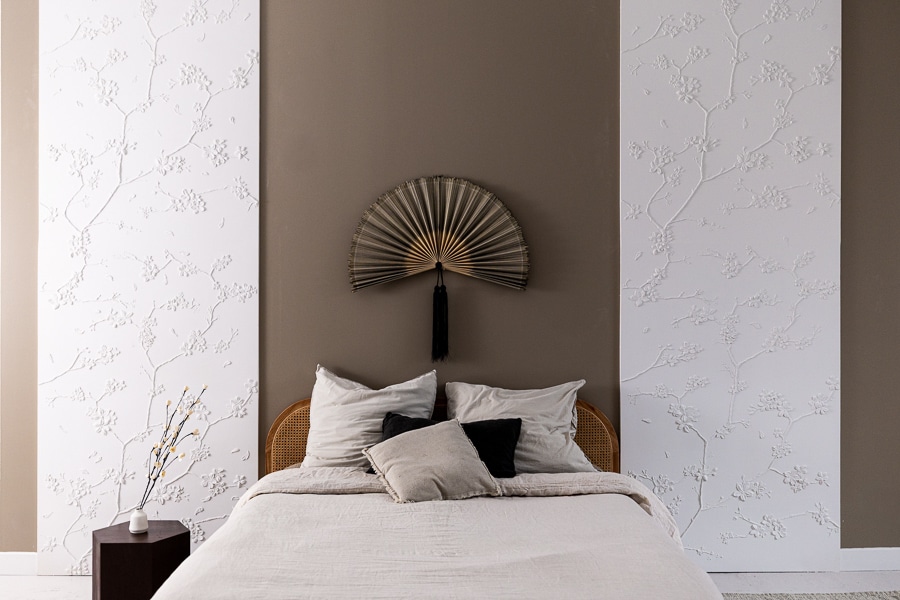
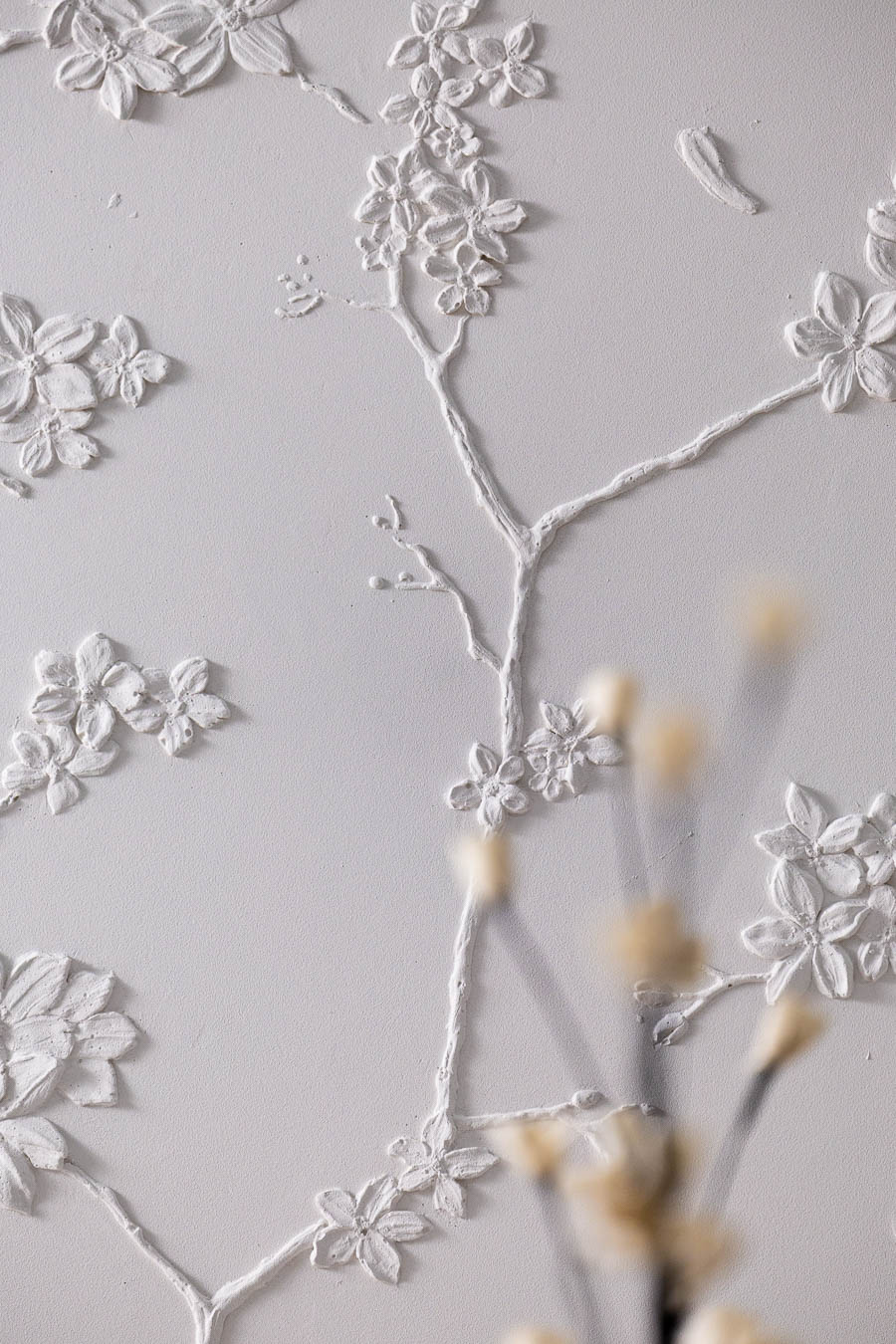
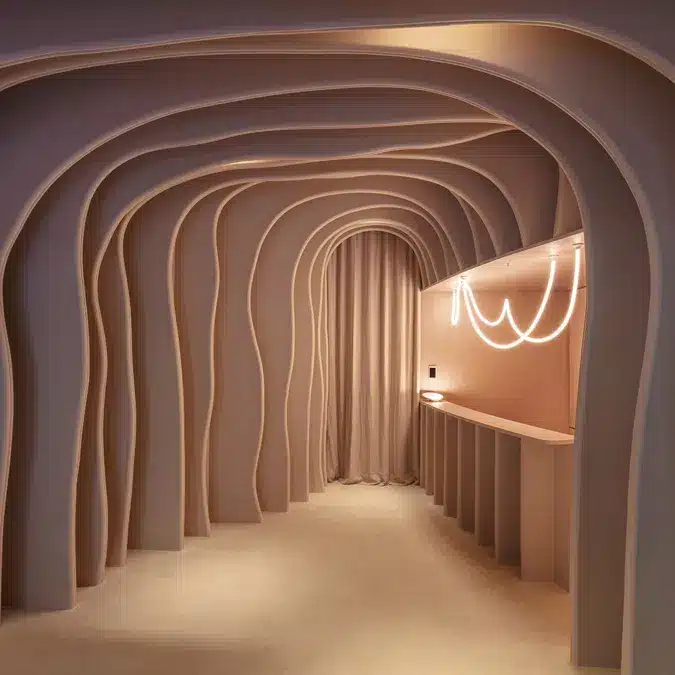
Bas-relief introduces a new expression of wall decoration, where plaster is used to create sculptural surfaces that bring depth, rhythm, and subtle movement to interiors. Rooted in traditional plastering and stucco techniques, these compositions reinterpret a historic decorative language through a contemporary lens.
Developed as a modular system, bas-relief panels can be combined to form continuous wall compositions of varying scale, whether covering entire surfaces or creating focused architectural moments. Their flexibility allows designers to explore repetition, pattern, and spatial flow, adapting each installation to the character of the project.
Alongside the collection, bespoke bas-relief designs can be developed, offering architects and interior designers the opportunity to create tailored wall compositions that respond directly to the identity of a space.
Traditional Plaster
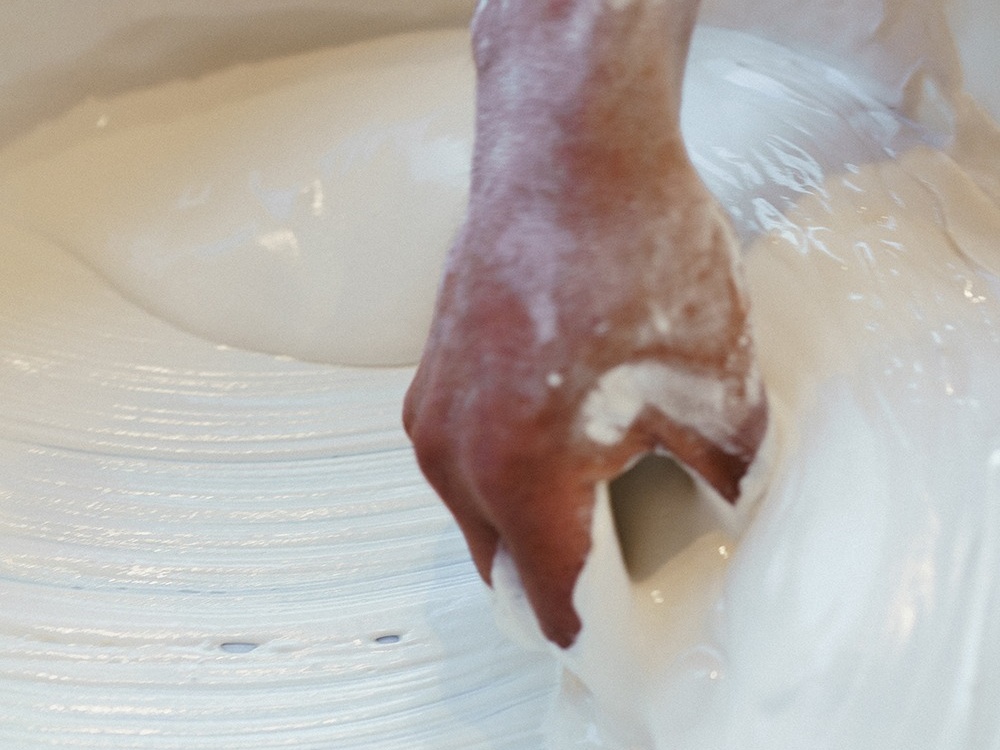
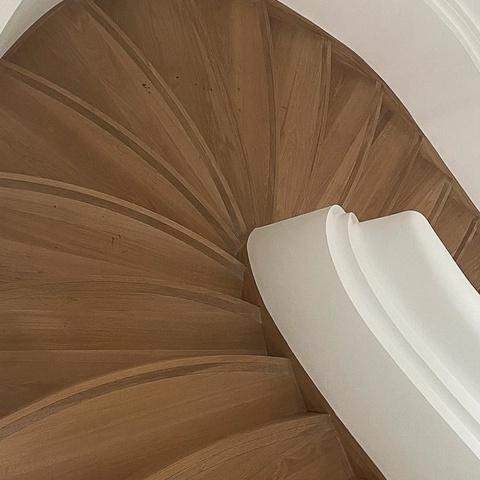
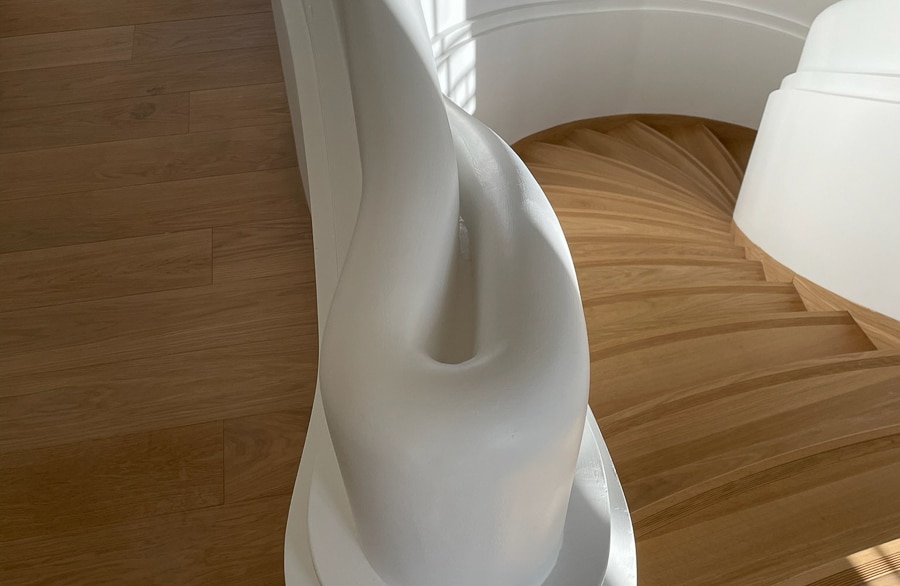
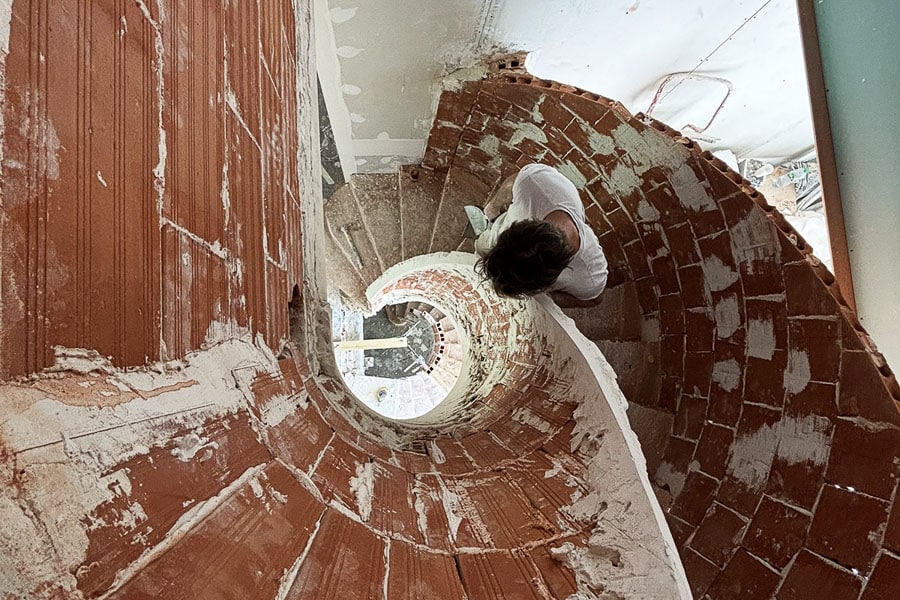
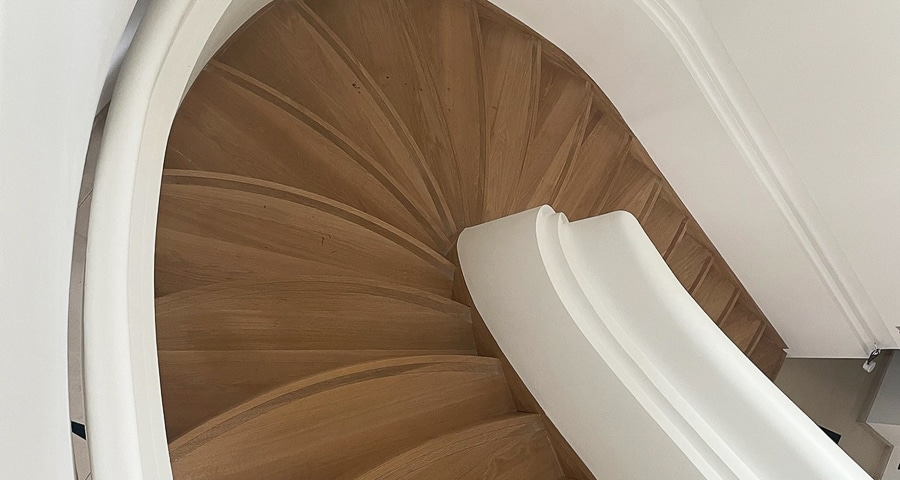
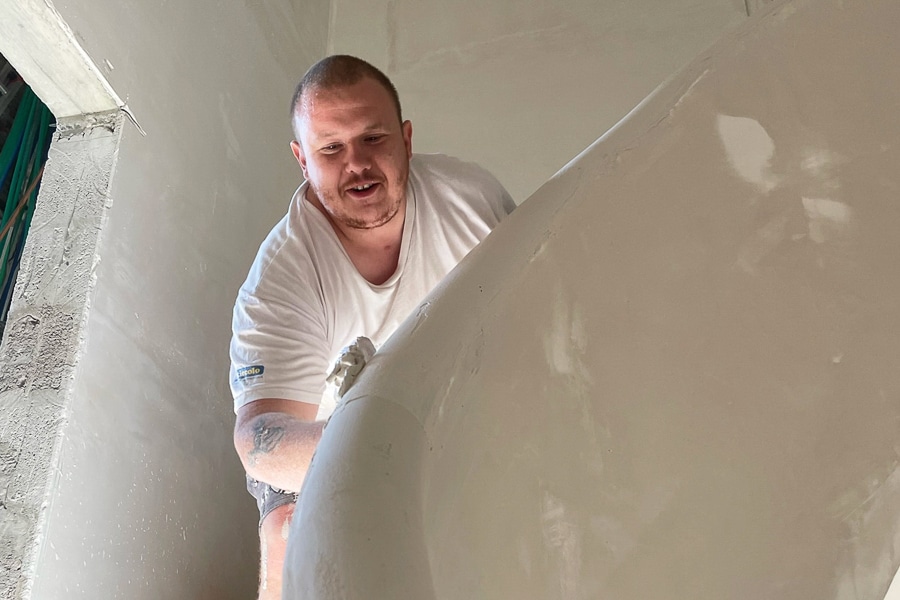
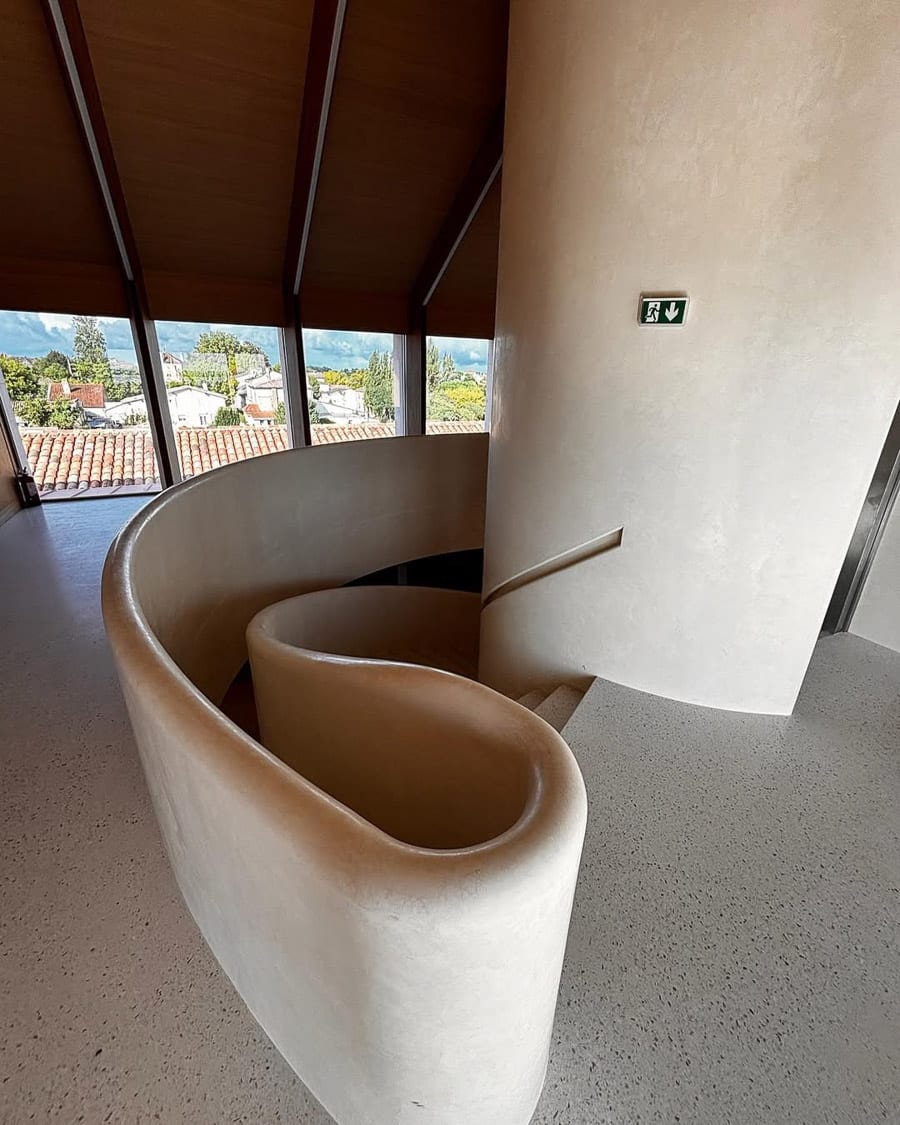
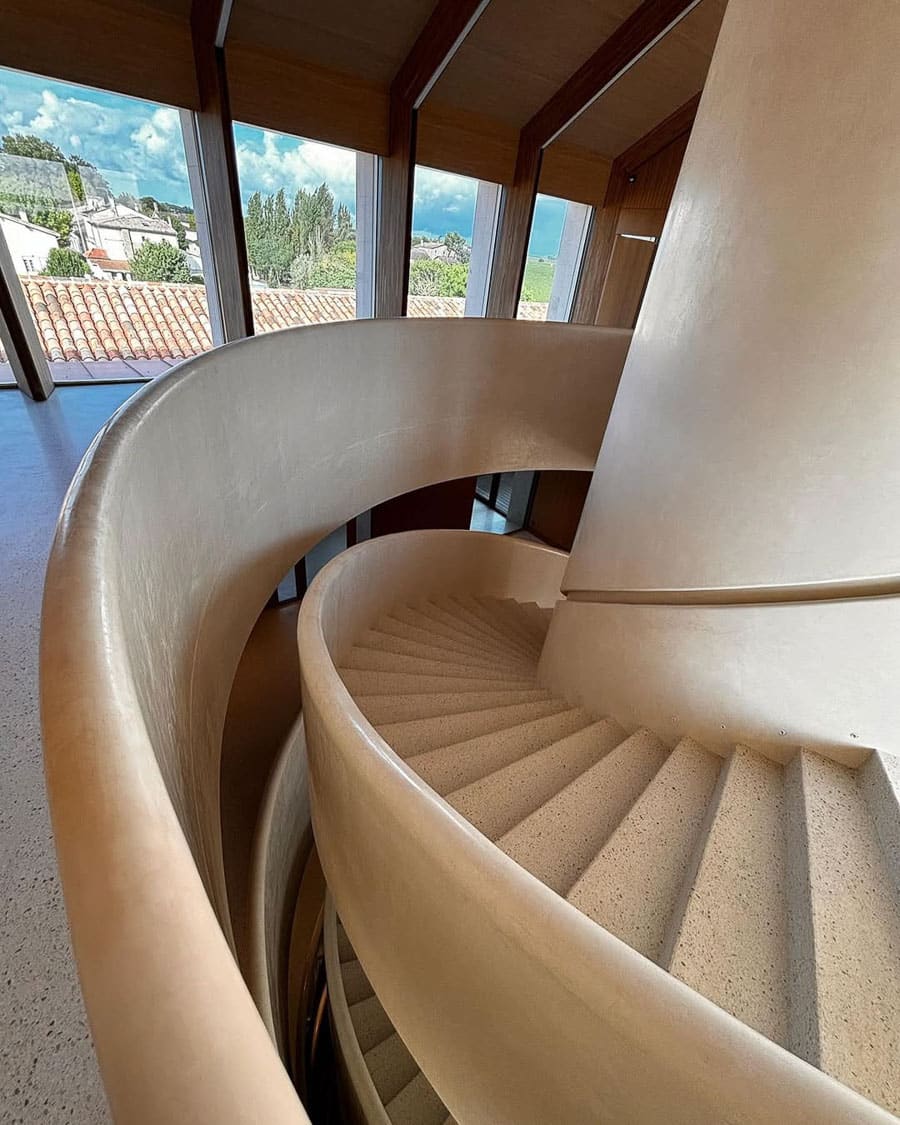
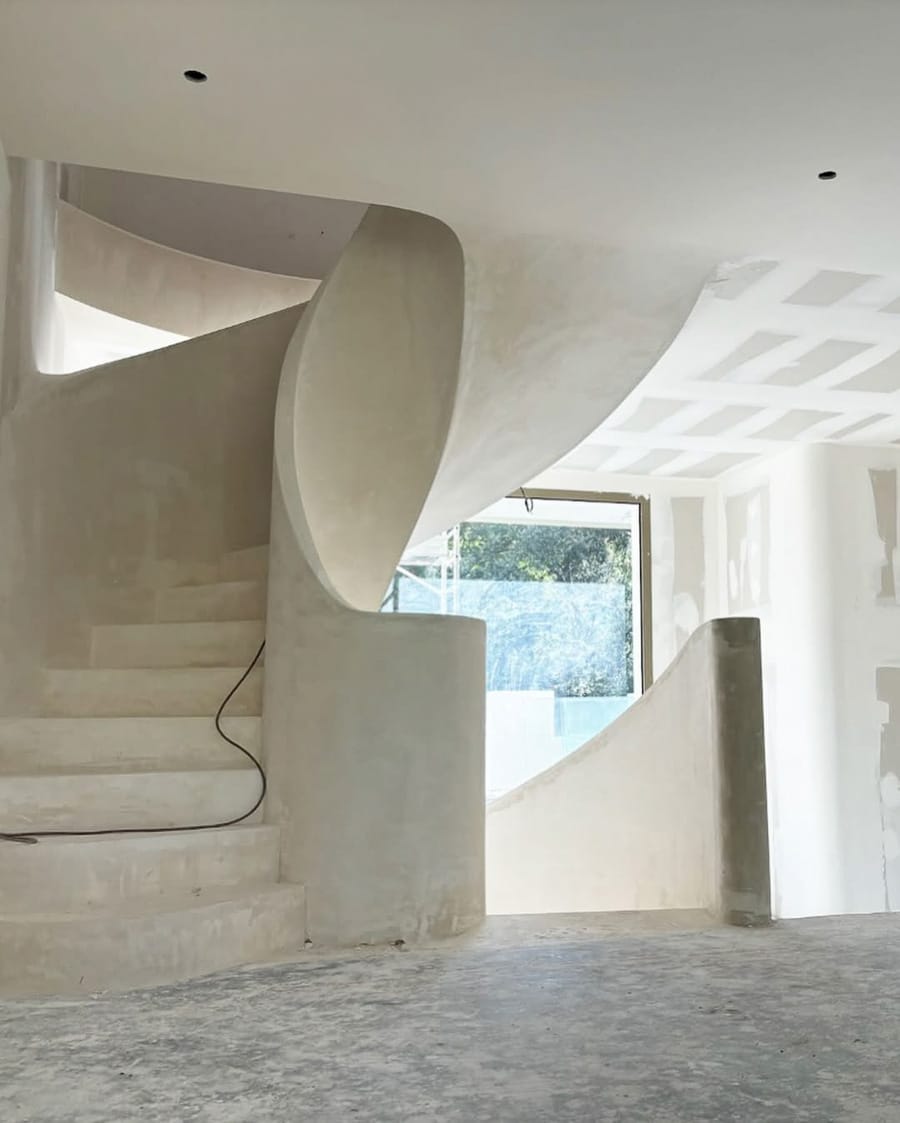
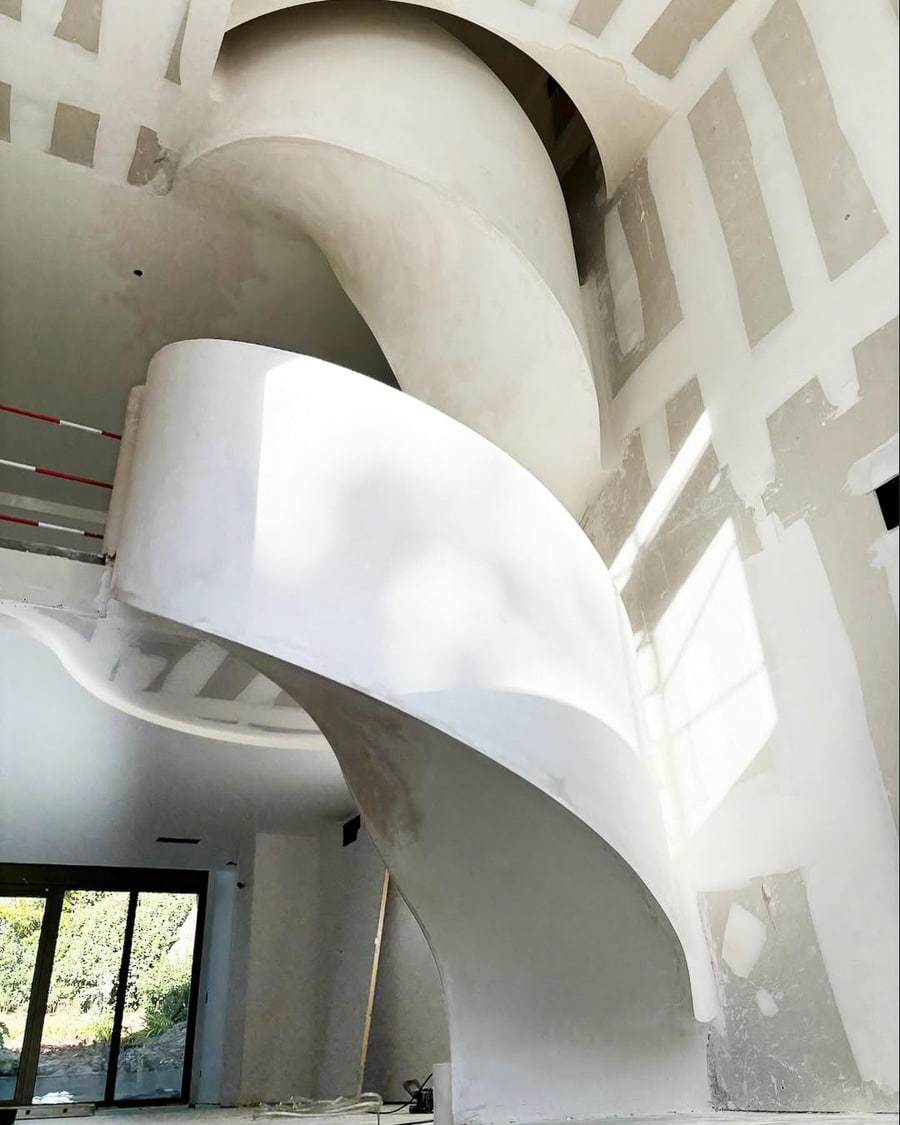
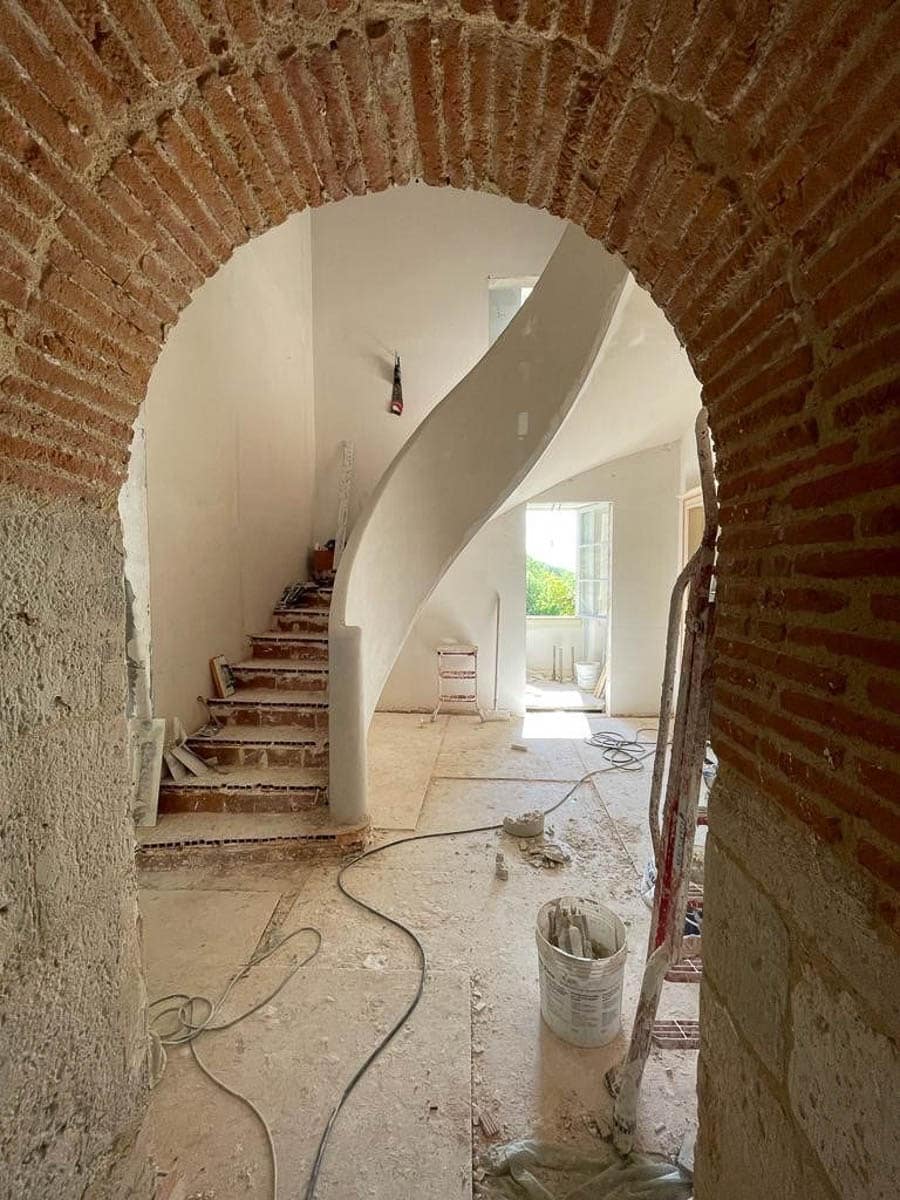
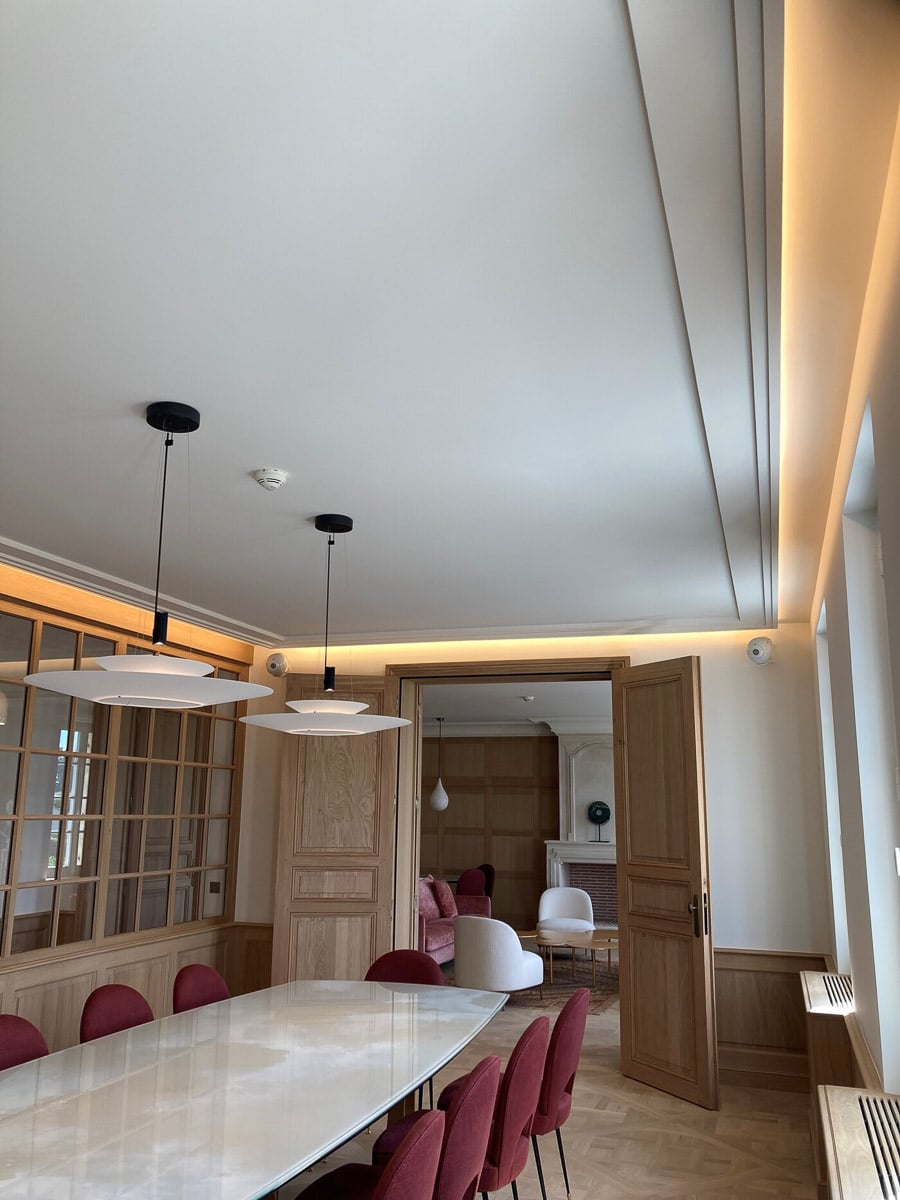
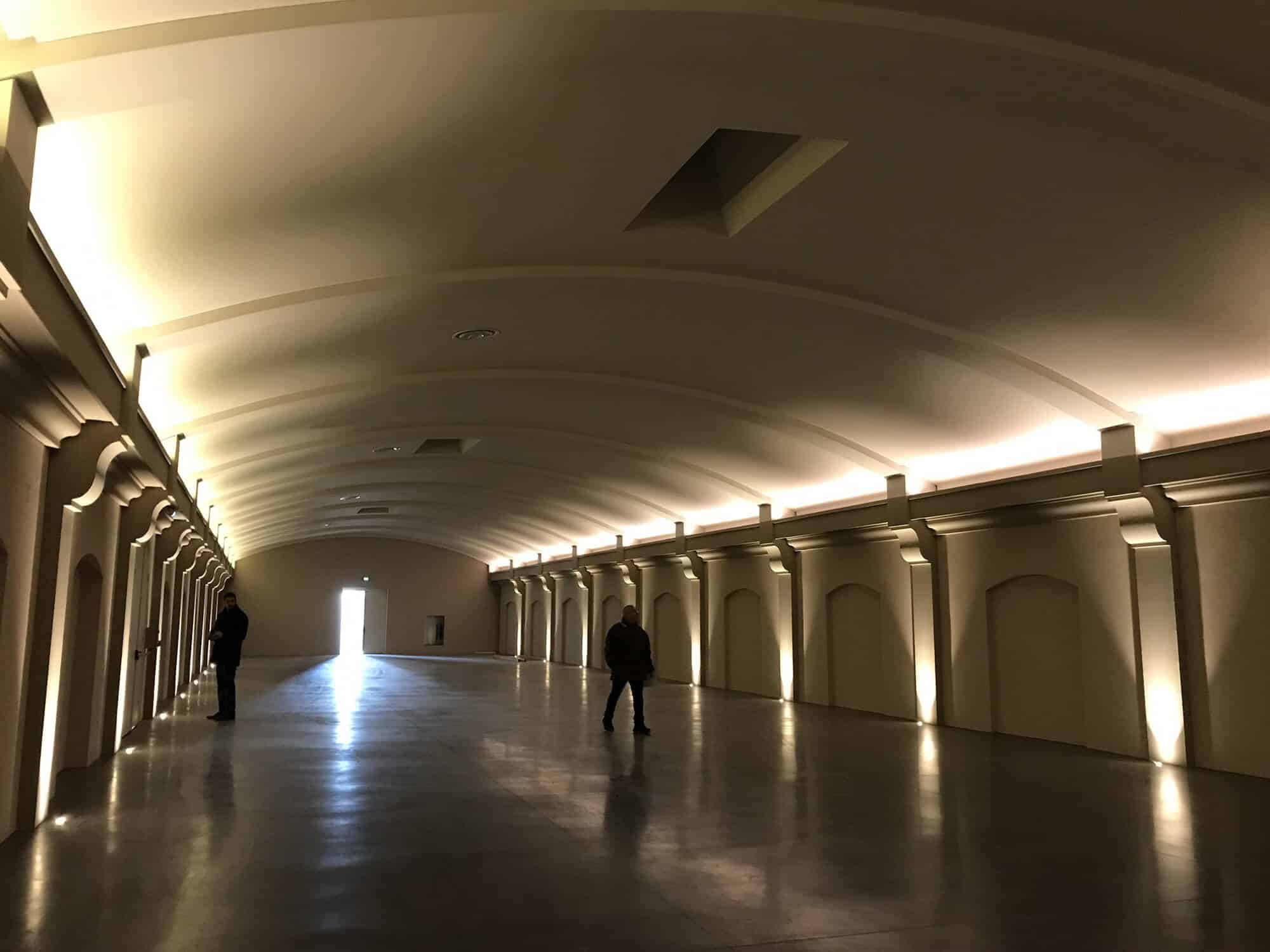
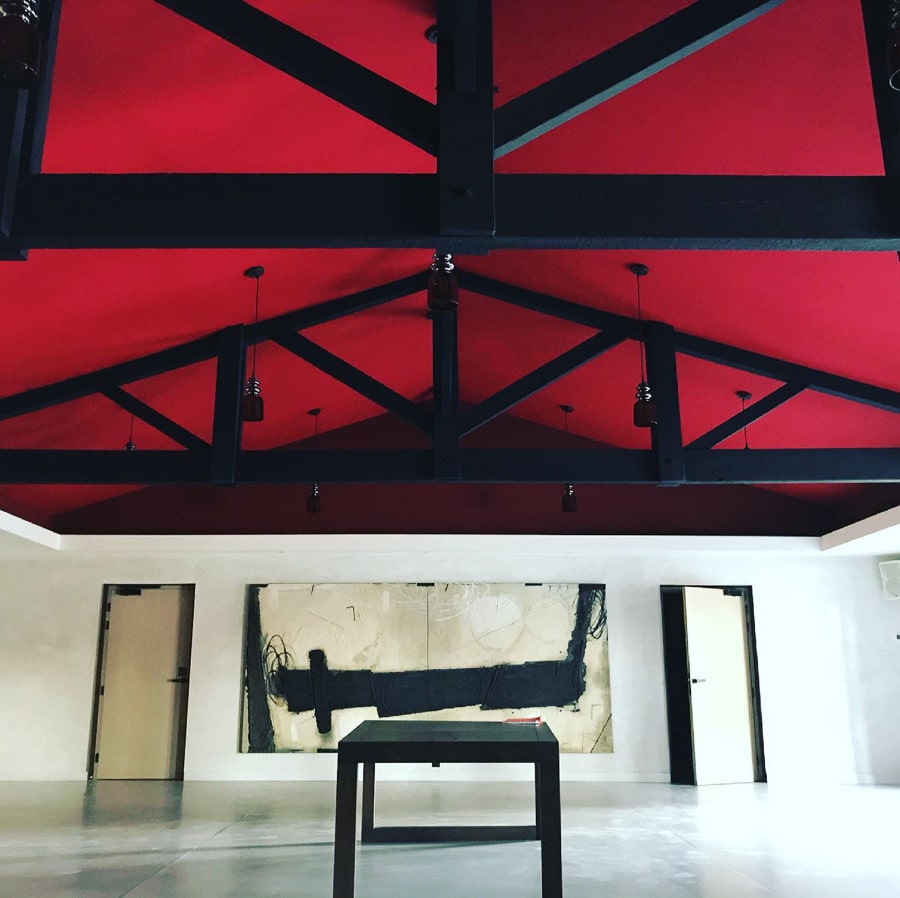
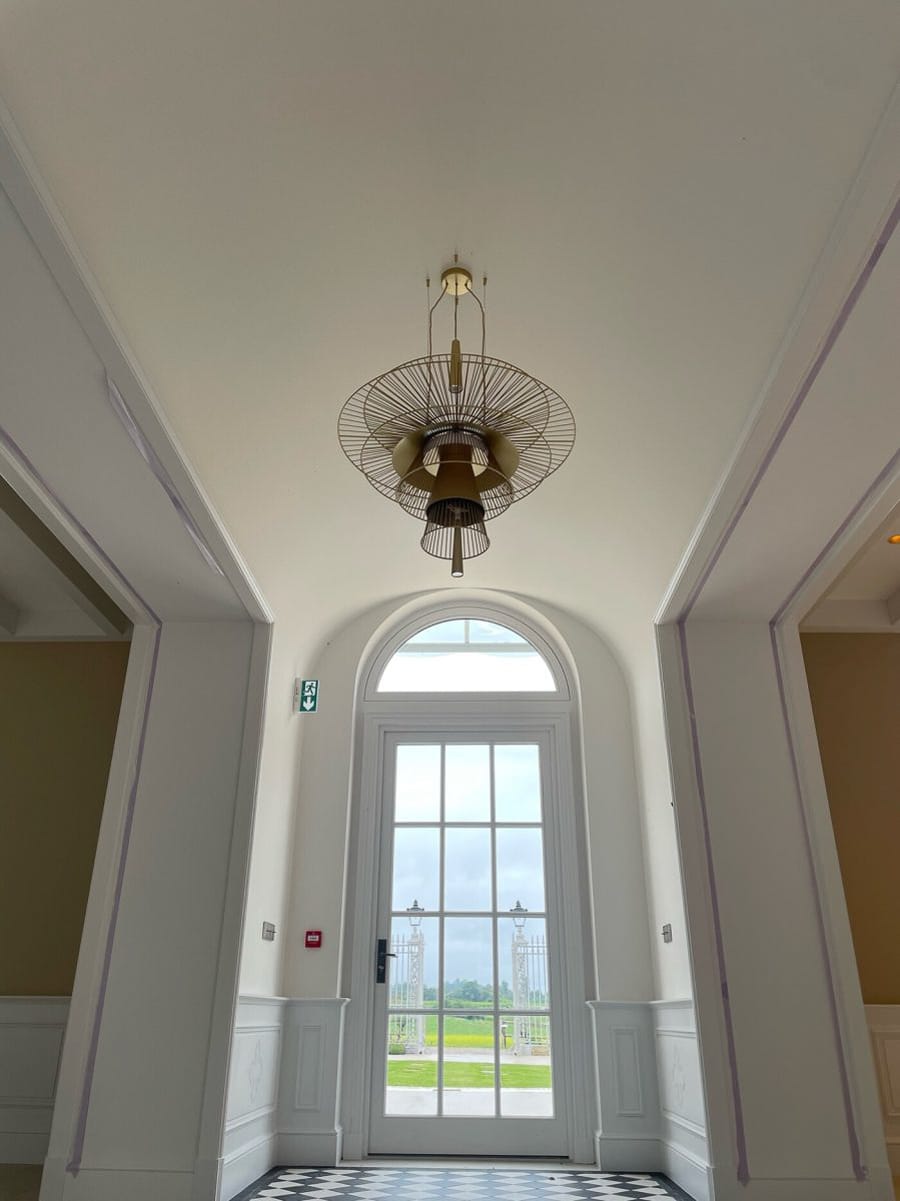
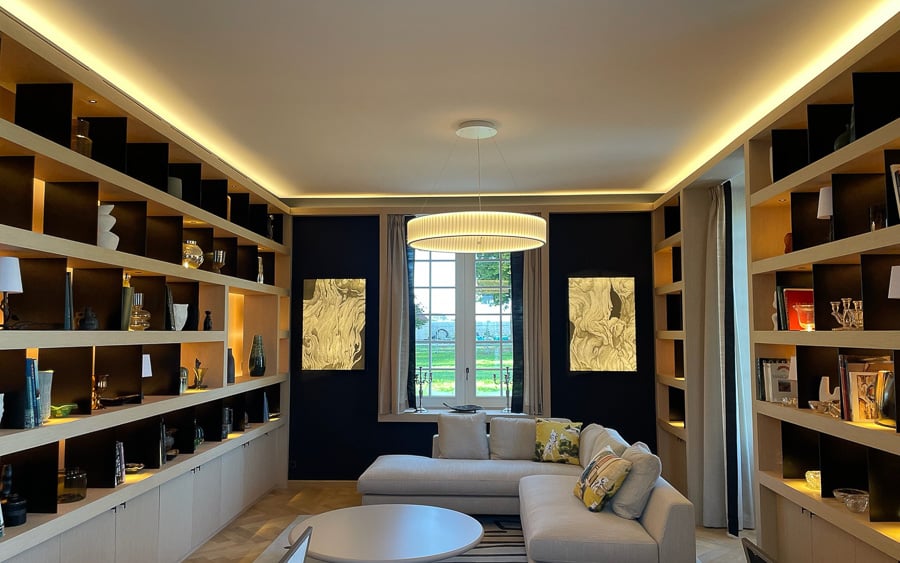
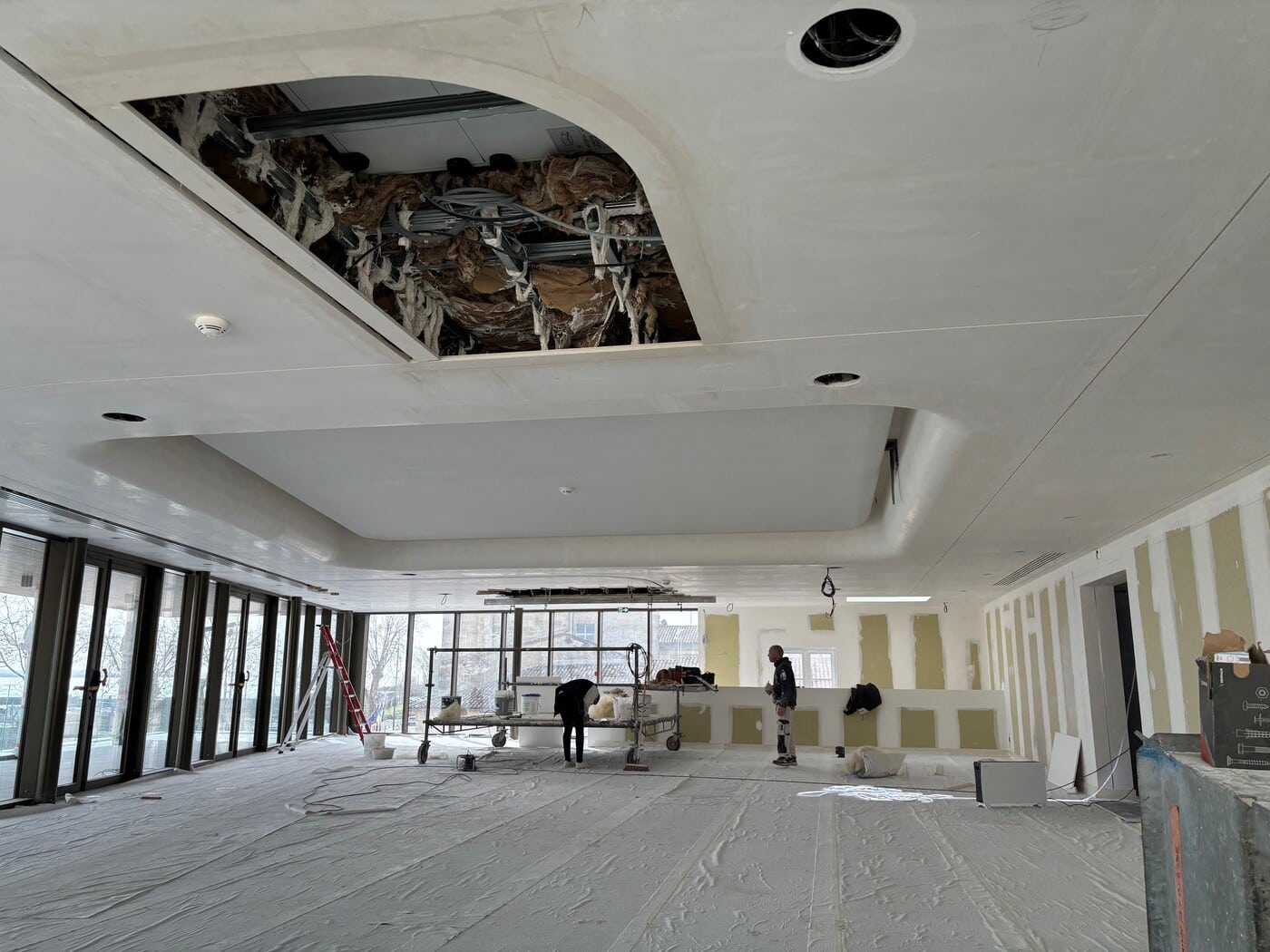
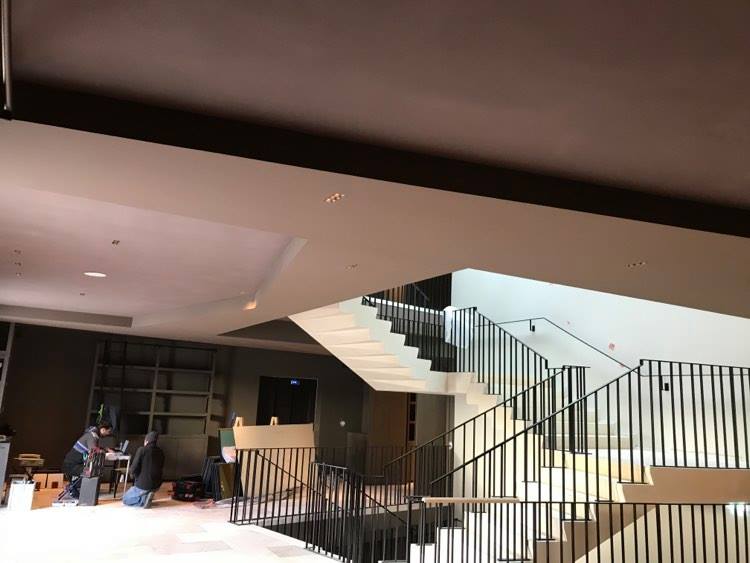
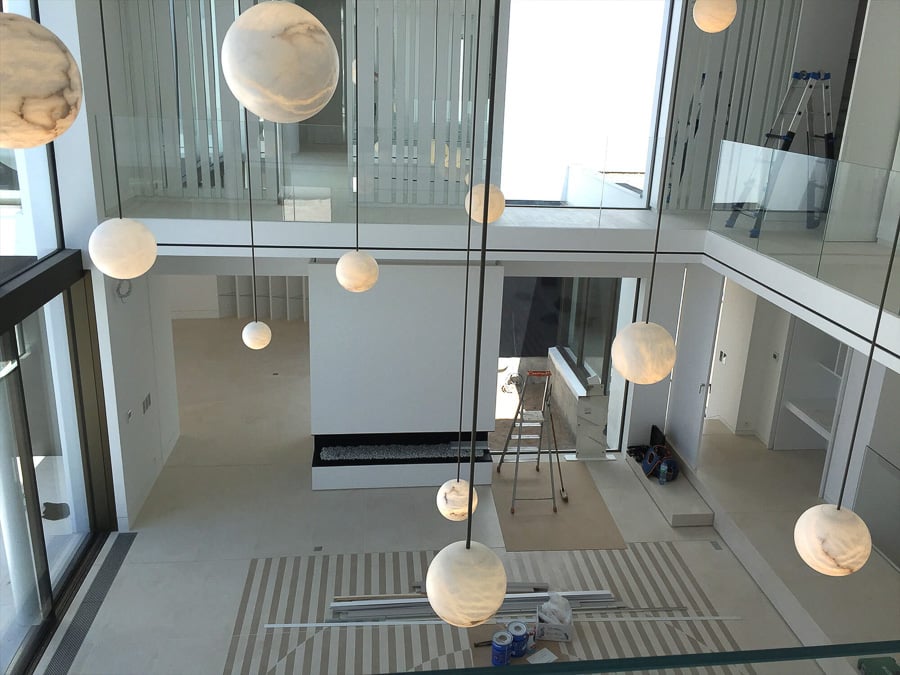
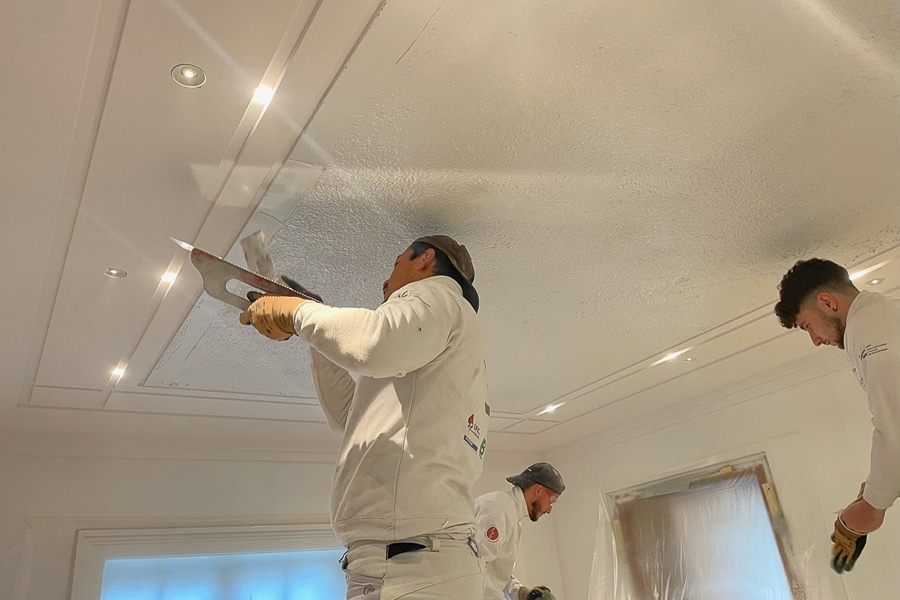
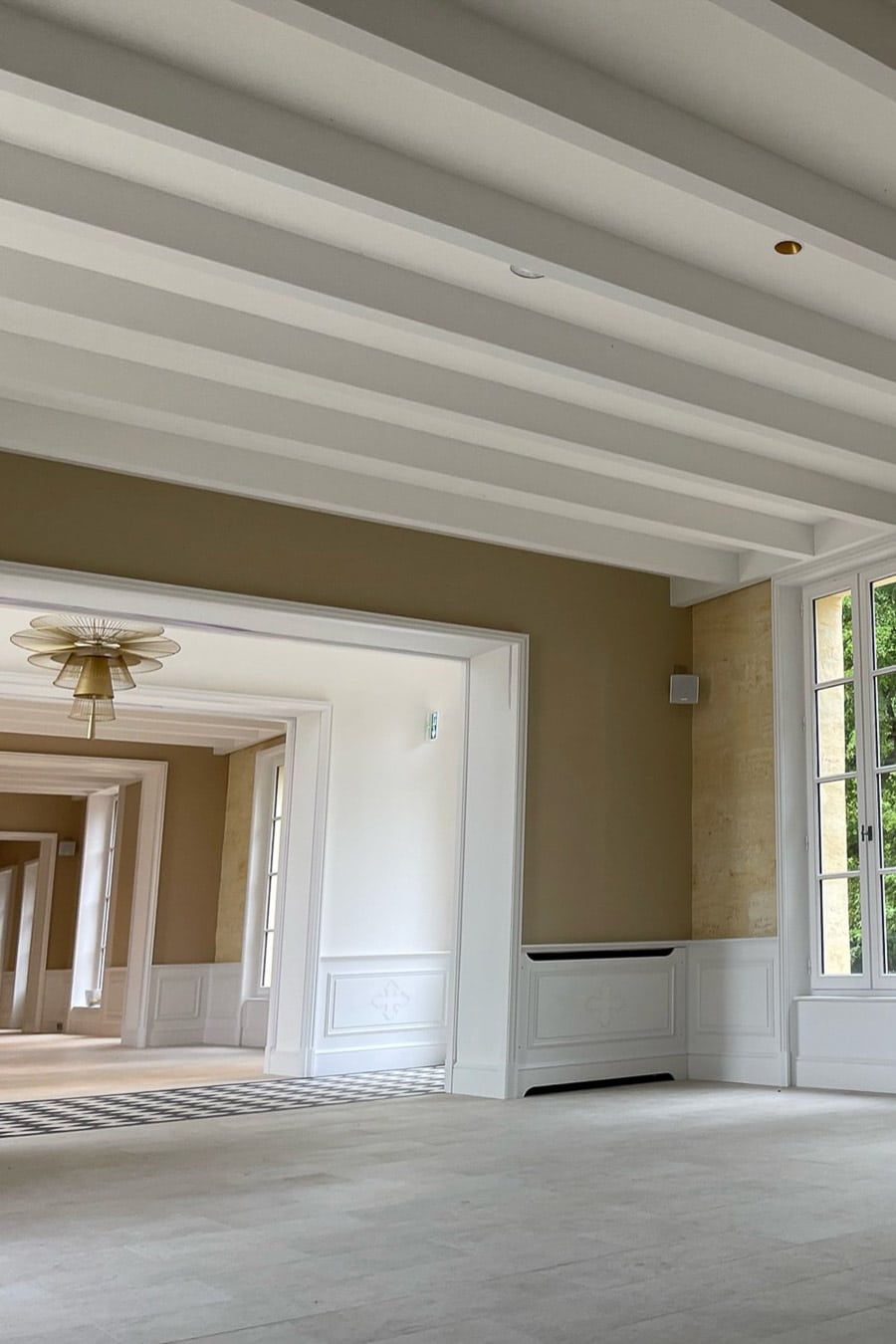
Traditional plastering is a hand-applied technique that creates seamless, refined surfaces for walls and ceilings, offering a higher level of finish and flexibility than standard plasterboard systems. At Garabos, it remains a core expertise, particularly for projects requiring precision, durability, and architectural integrity.
For architects and interior designers, it allows for the creation of complex shapes, curves, and volumes directly on site, enabling greater design freedom and a more authentic material expression. It is equally suited to contemporary interiors and heritage restoration.
Plaster also offers strong technical performance, including fire resistance, natural humidity regulation, and compatibility with sustainable specifications. Finishes can range from smooth surfaces to waxed or textured applications, bringing depth and materiality to a space.
Garabos’ savoir-faire extends to bespoke on-site shaping and the use of complementary materials such as lime and stucco, enabling tailored and technically refined solutions.
- Good fire resistance
- Green labels allowing it to be used in any context requiring the use of ecologically sound materials
- Better finish than plasterboard
- Possibility of creating complex shapes and volumes
- Possibility of waxing renderings to avoid painting and give interiors a material appearance
- Very good hydrometric air management
Dry Plaster
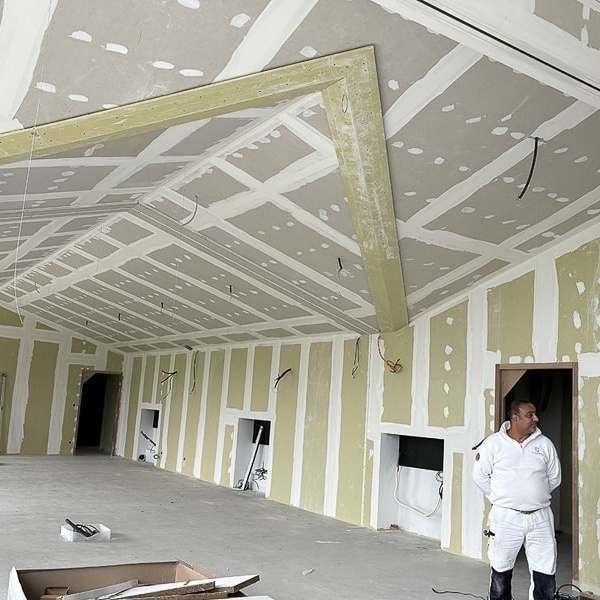
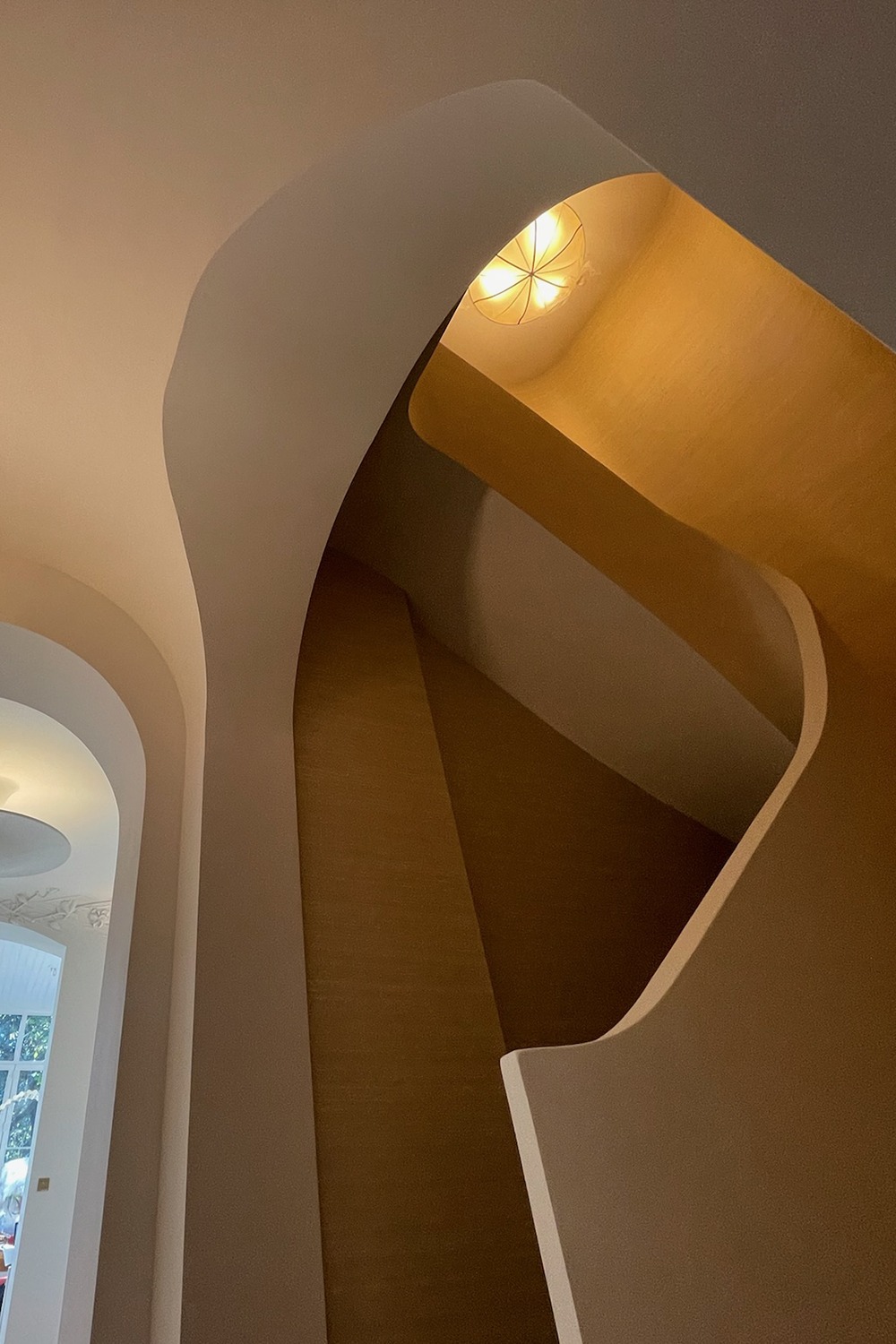
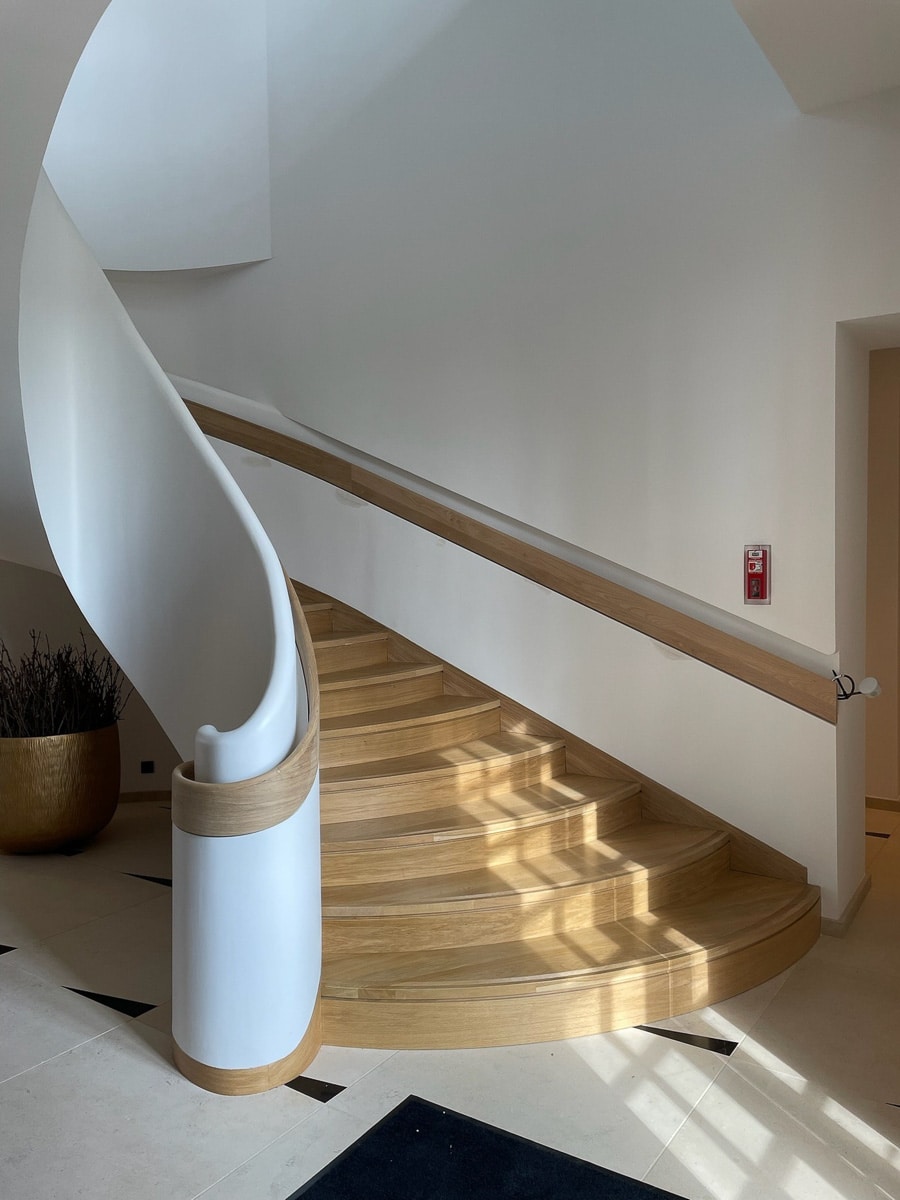
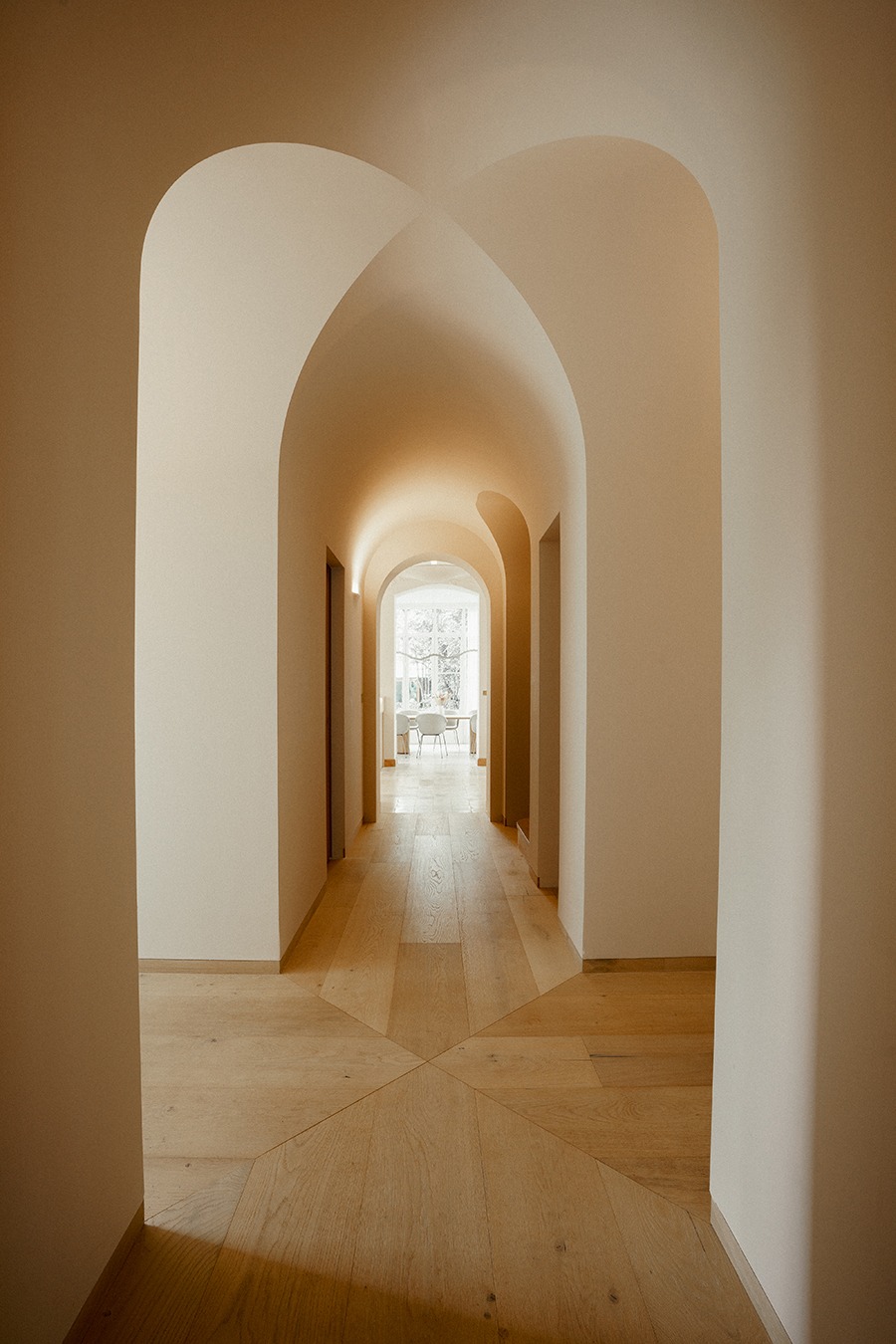
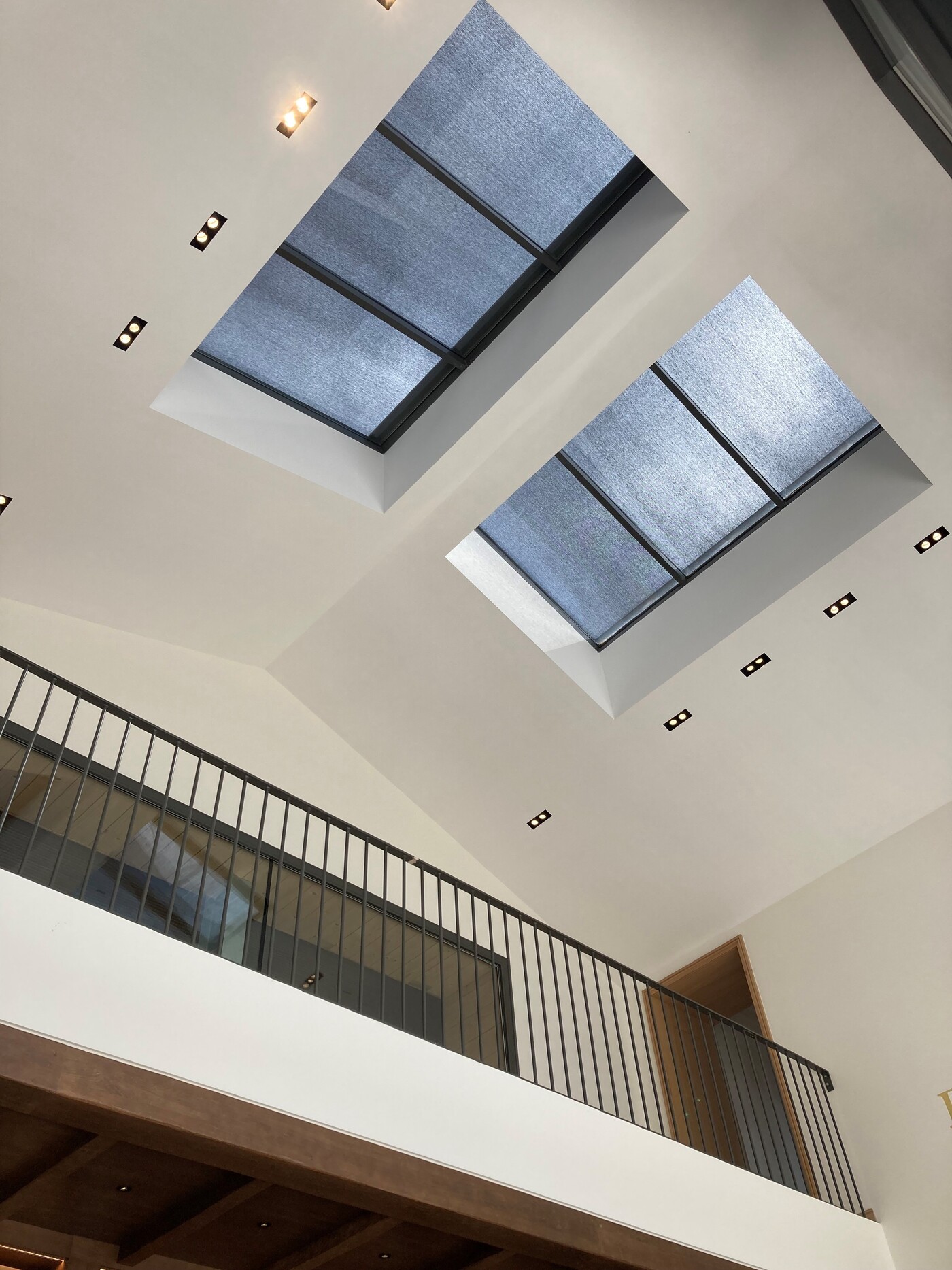
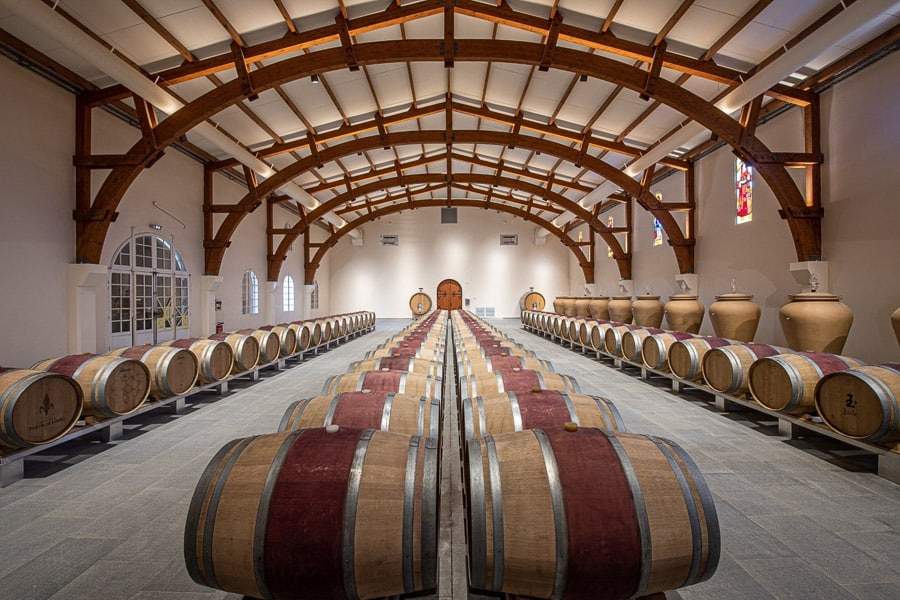
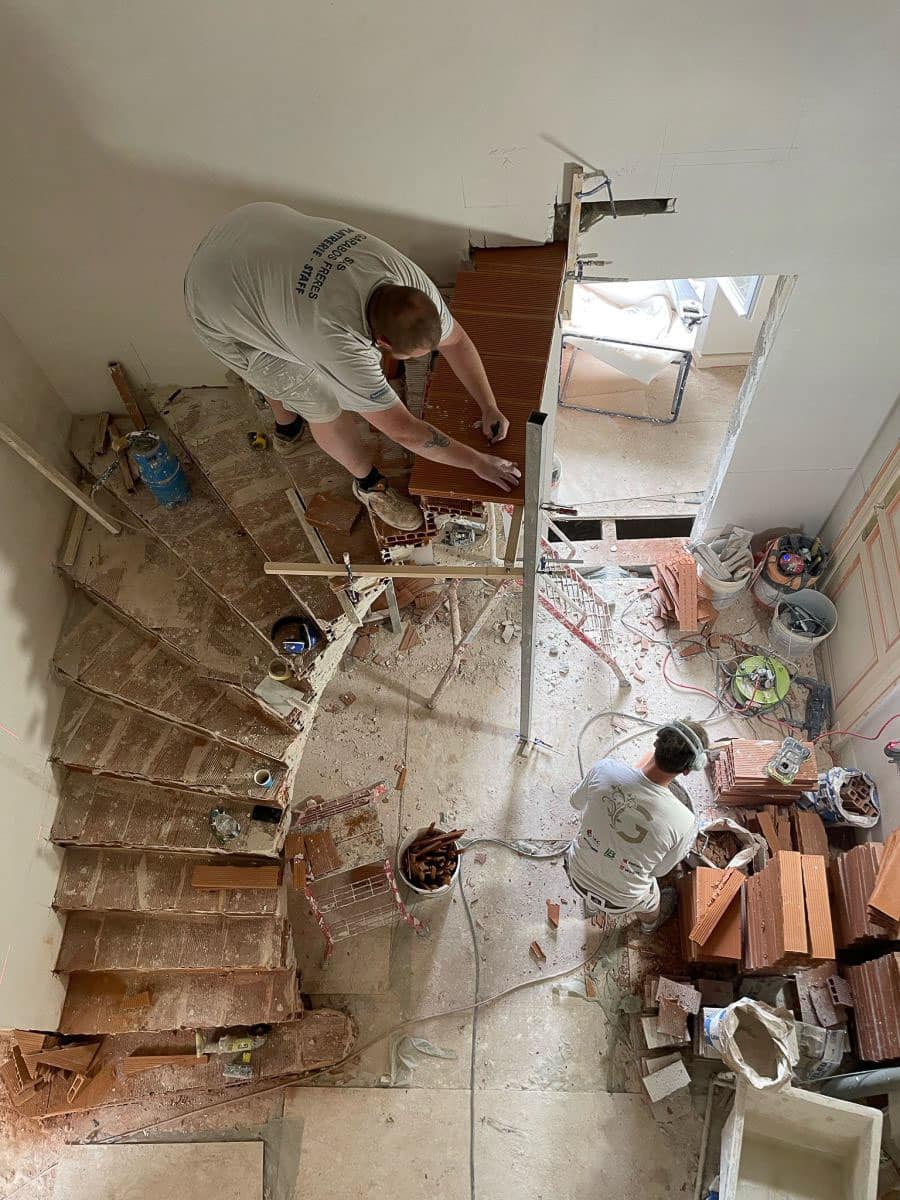
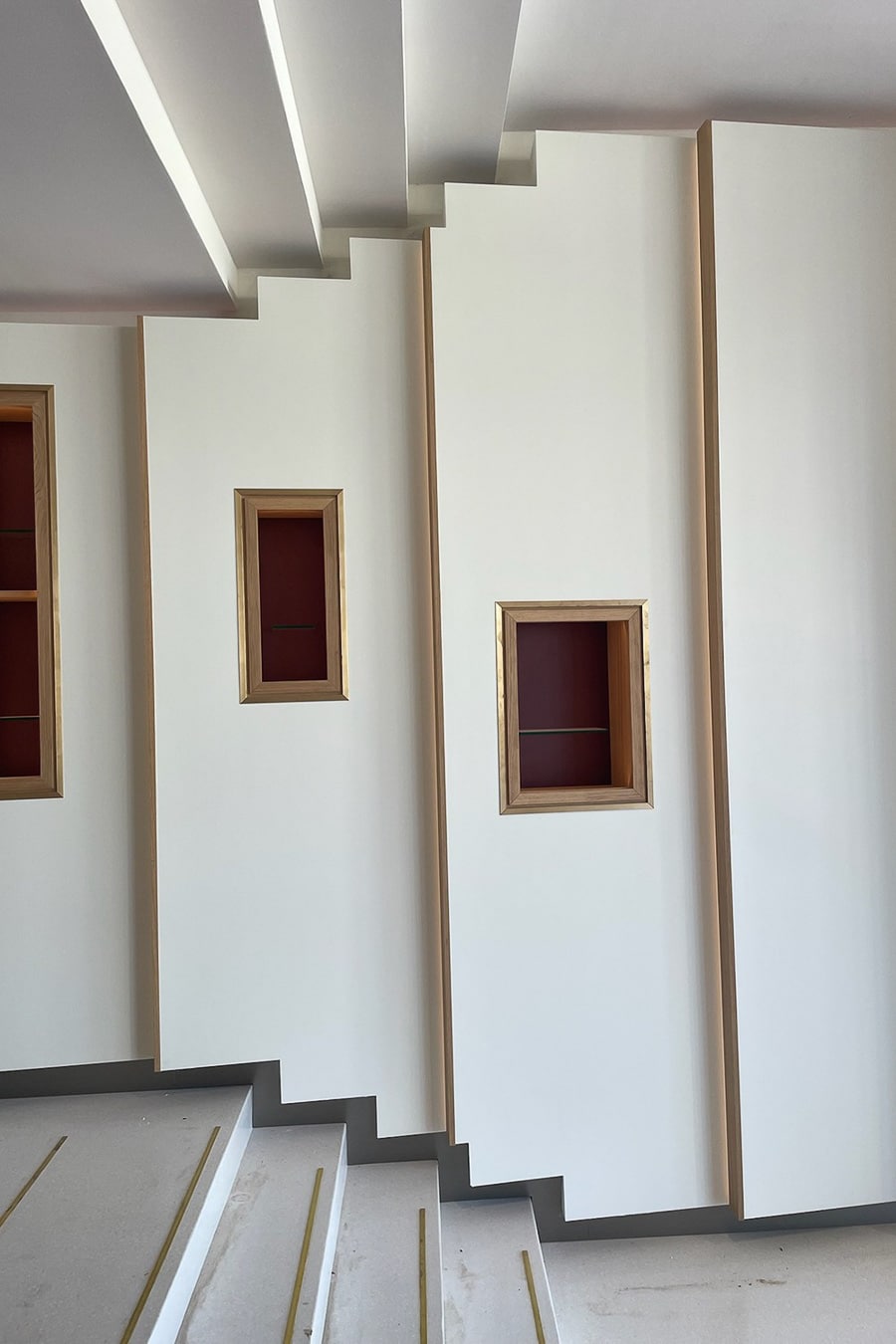
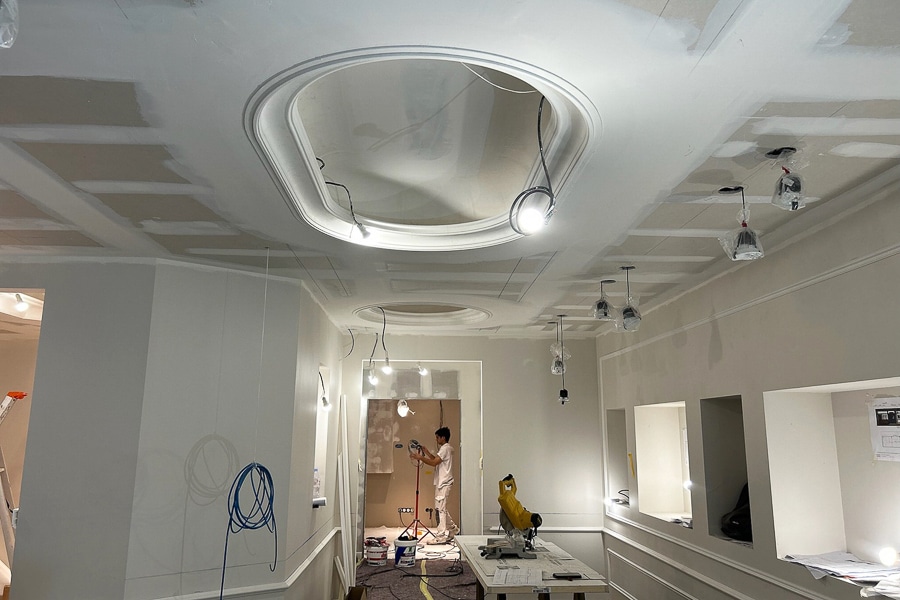
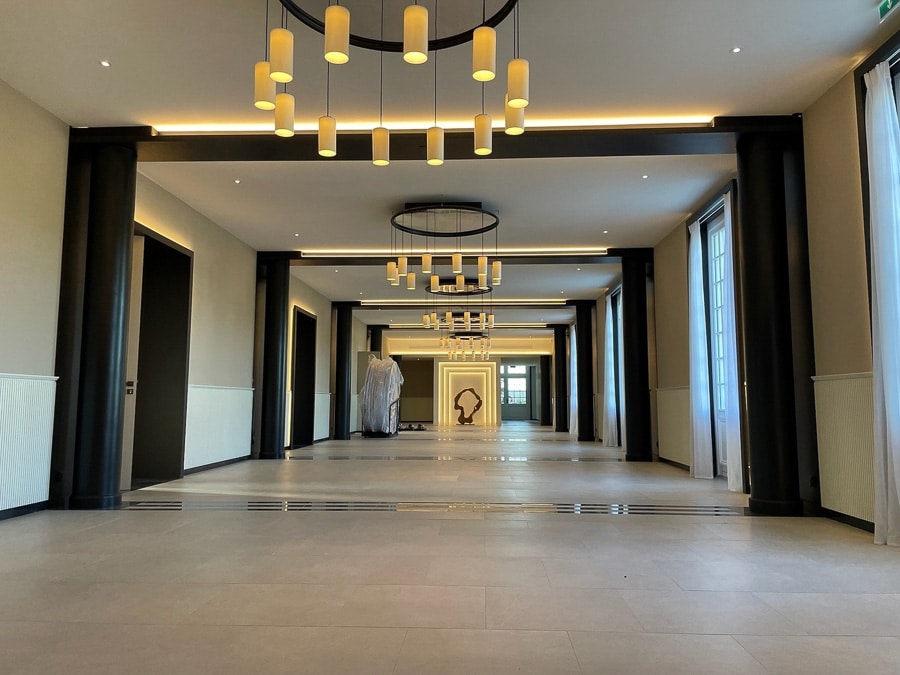
Dry plastering is a versatile system used to create partitions, ceilings, and linings through carefully specified plasterboard and insulation assemblies. At Garabos, it is approached as a complete solution, where material selection, insulation, and installation are considered together to ensure long-term performance and quality.
Drawing on three generations of expertise, Garabos selects the right materials for each application and delivers clean, efficient installation with a high level of finish. The result is a reliable, well-resolved system that supports both the technical and aesthetic demands of contemporary interiors.
Specific uses regularly encountered:
- Sound insulation between flats
- Interior thermal insulation for renovation
- Long spans
- Great heights
- Firebreaks
Acoustic Plaster
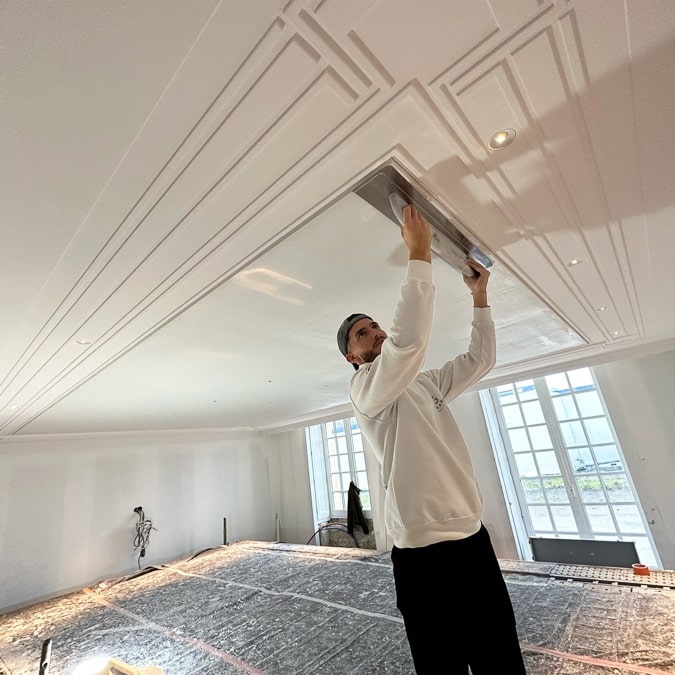
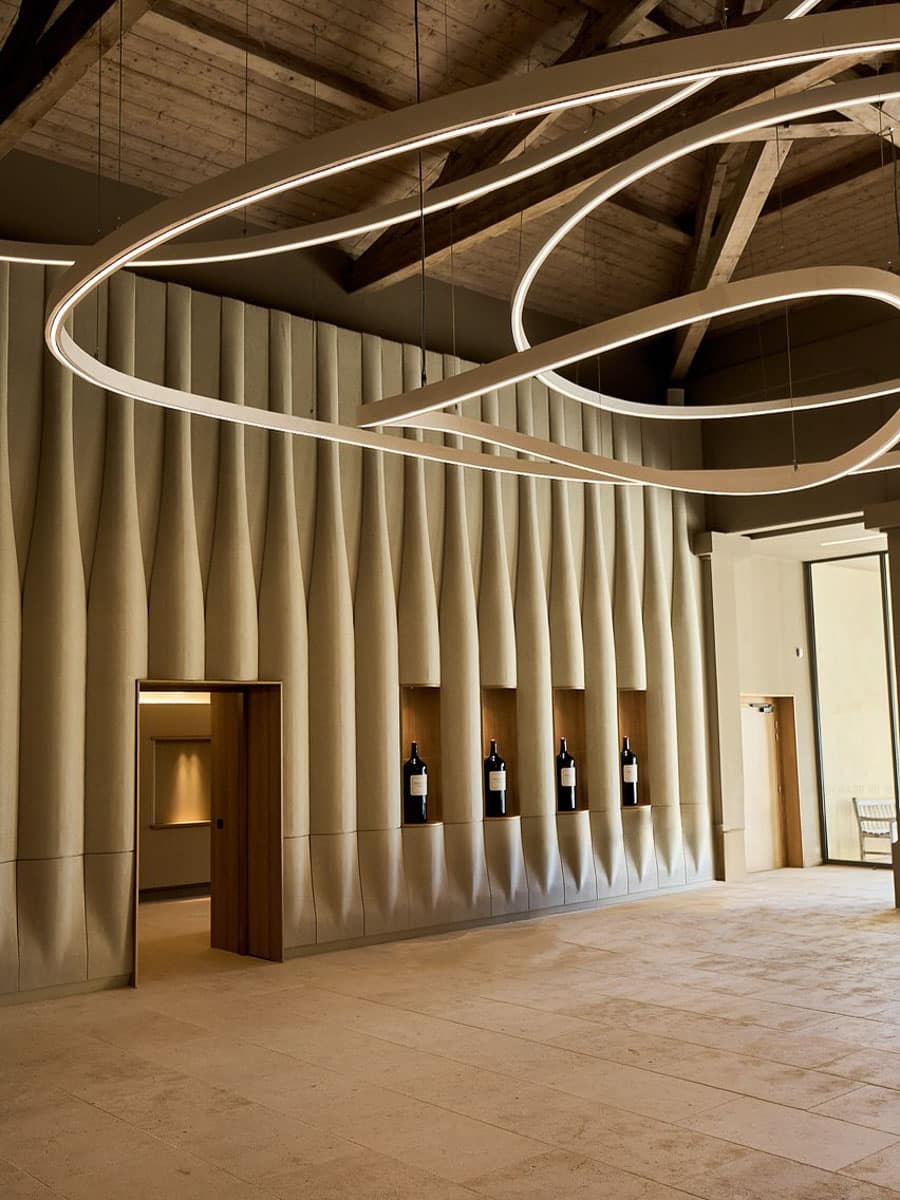
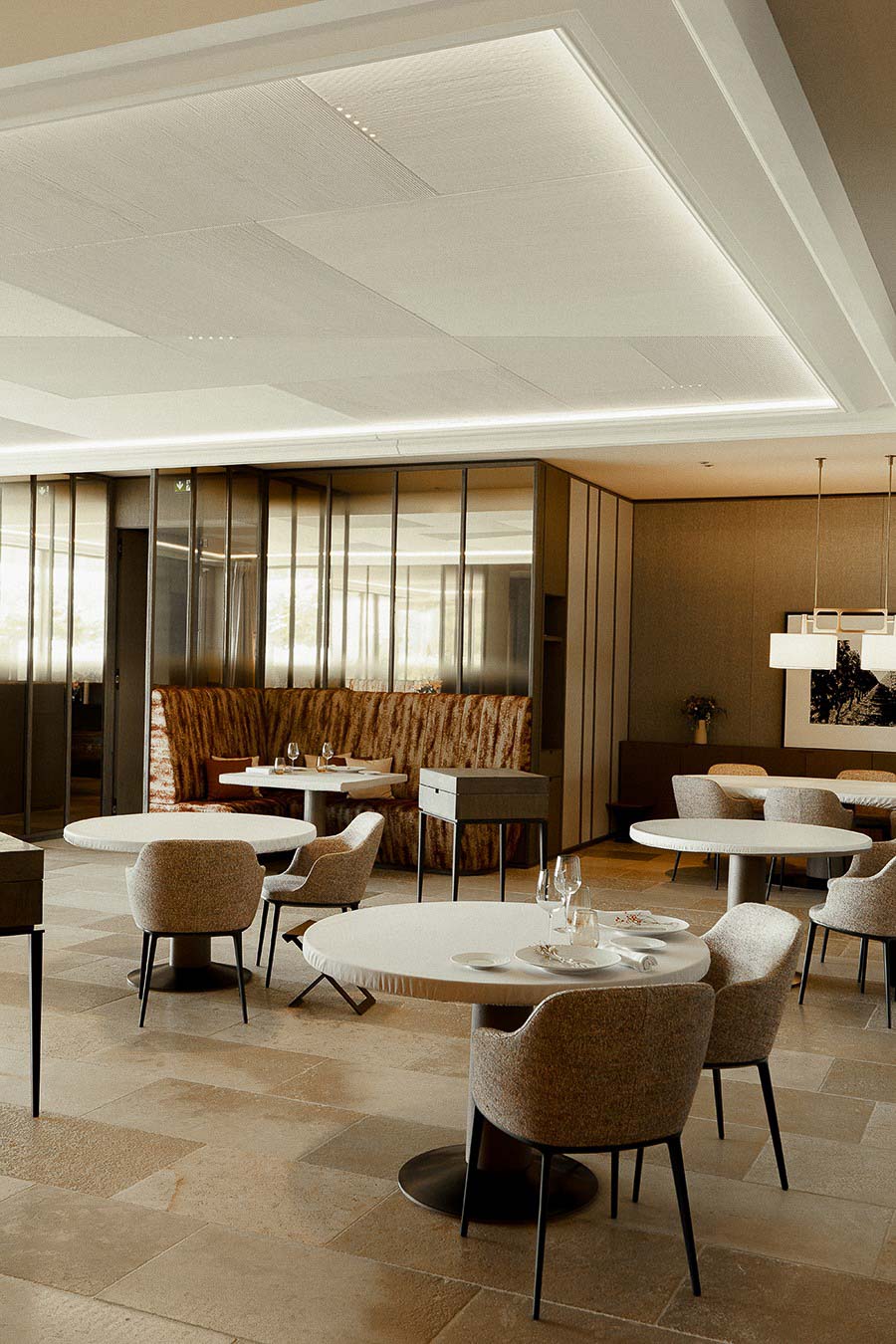
Acoustic plastering combines high-performance sound absorption with a seamless, monolithic finish, offering an elegant alternative to traditional acoustic systems. At Garabos, these solutions are integrated into ceilings and walls to enhance acoustic comfort while maintaining clean architectural lines.
Providing both technical performance and aesthetic refinement, mineral-based (marble fibres) acoustic plasters and sprayed finishes create smooth, continuous surfaces, whether flat or curved, across residential, hospitality, and commercial environments.
By combining advanced systems with skilled craftsmanship, Garabos delivers tailored solutions that balance performance, material quality, and visual clarity.
BASWA Phon
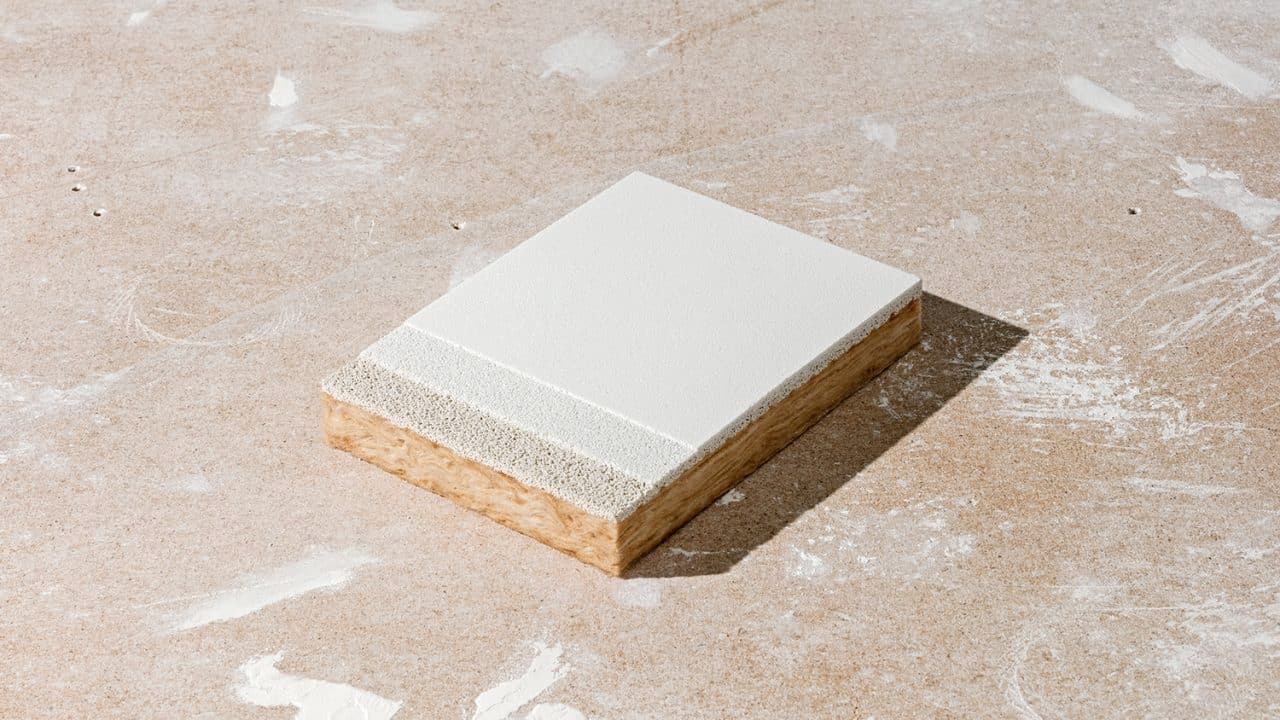
A mineral-based system creating seamless, monolithic acoustic finishes for walls and ceilings in both residential and commercial spaces.
Mono Acoustic
A rock wool-based system with a sprayed finish, offering high acoustic performance and a refined, continuous surface suitable for a wide range of environments.
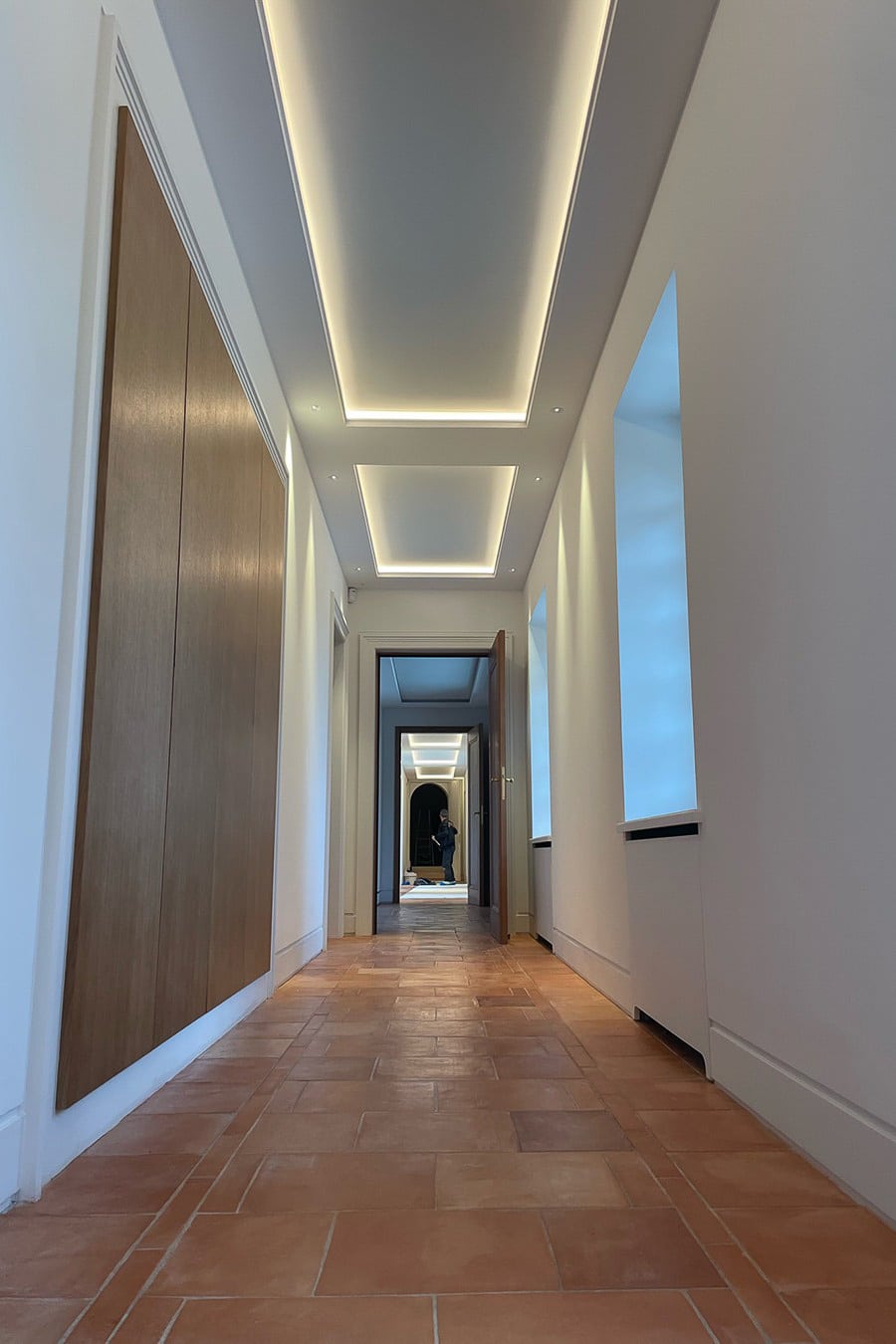
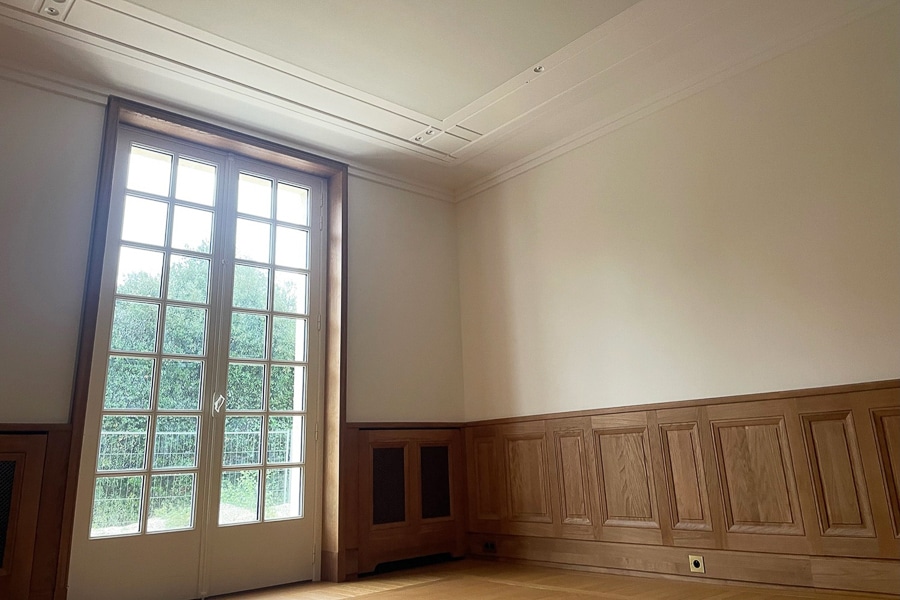
"We want to reveal the richness of plaster and elevate it from an overlooked material to one of true desirability."
Boris Garabos
Garabos innovation & sustainability
A healthier material
Staff is a composite material combining fine plaster with natural plant fibres, traditionally sisal derived from agave. Lightweight yet strong, it allows for highly detailed and precise architectural elements while remaining a reusable and environmentally responsible material.
The plaster, sourced from the Paris basin, can be reused multiple times, while sisal fibres, historically grown in regions such as Mexico and southern Africa, require minimal water to cultivate. This makes staff one of the more sustainable materials used within interior architecture.
Garabos has initiated the cultivation of sisal in France, with experimental planting in Loupiac, Gironde, aiming to develop locally sourced fibres and further reduce environmental impact.
Aligned with evolving regulations and industry expectations around durability and sustainability, plaster offers a long-lasting, repairable solution that supports both environmental responsibility and enduring architectural quality.